Vehicle Accessories & Parts
Upgrade, maintain, and power your vehicle with our wide selection of auto essentials. From car audio systems and trailer hitches to electric vehicle chargers and replacement parts, we’ve got the tools and accessories to keep your ride performing at its best. Shop reliable, high-quality products designed for every driver’s needs.
QPower Dual 12" Sealed Subwoofer Enclosure Box, Ford F-150 SuperCrew 2004-2008
Radio Flyer 36V Battery-Powered Kids Electric Go-Kart, Grey
INTEX 12V Transom Mount Boat Eight Speed Trolling Motor | 68631E
Camco Olympian GM12 Continuous Ignition 13 Inch Multi Sparker with Curved Nozzle
AMERICAN MODIFIED Armor Front Grille for 2015 to 2017 Ford F150, Glossy Black
Choosing a Car Subwoofer Setup
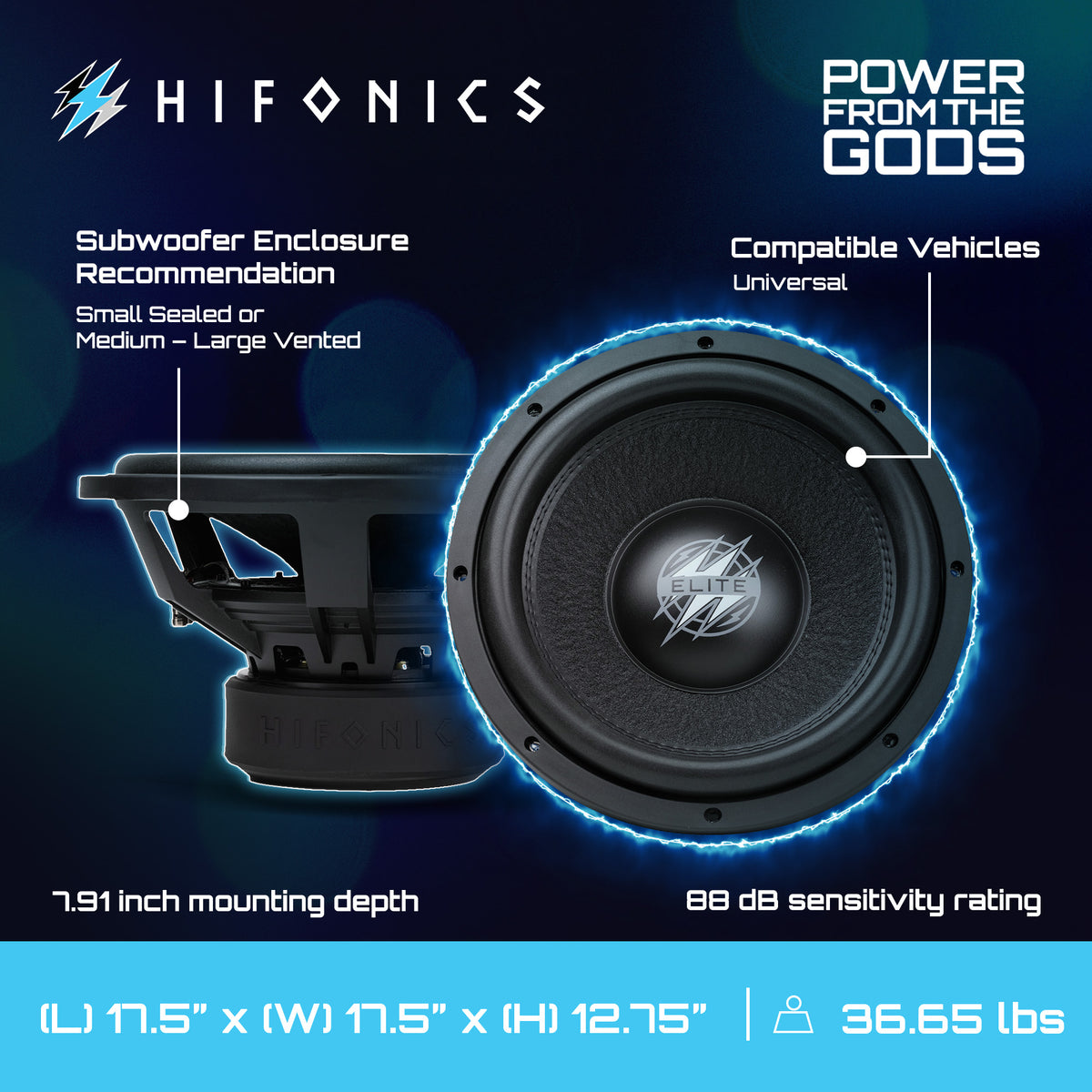
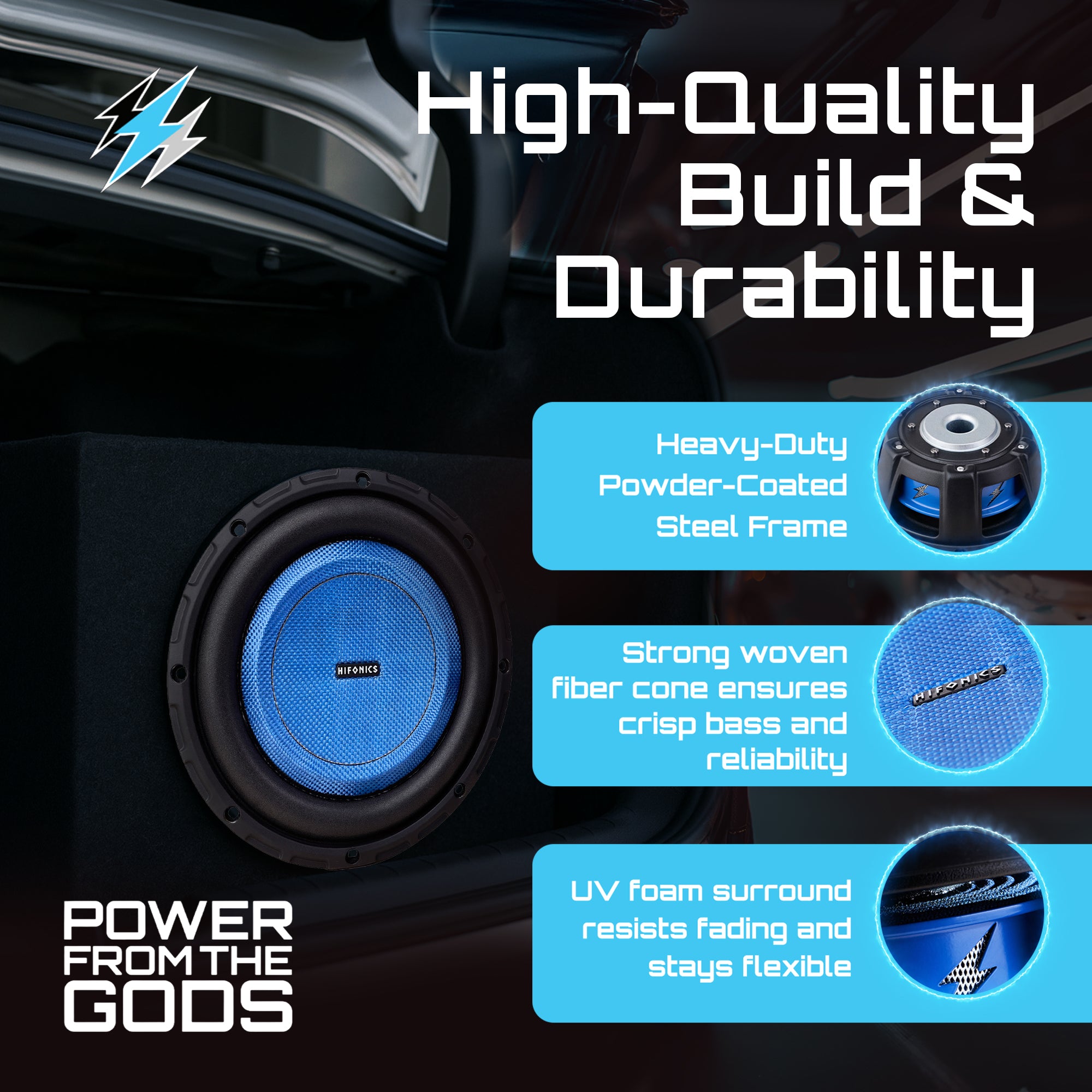
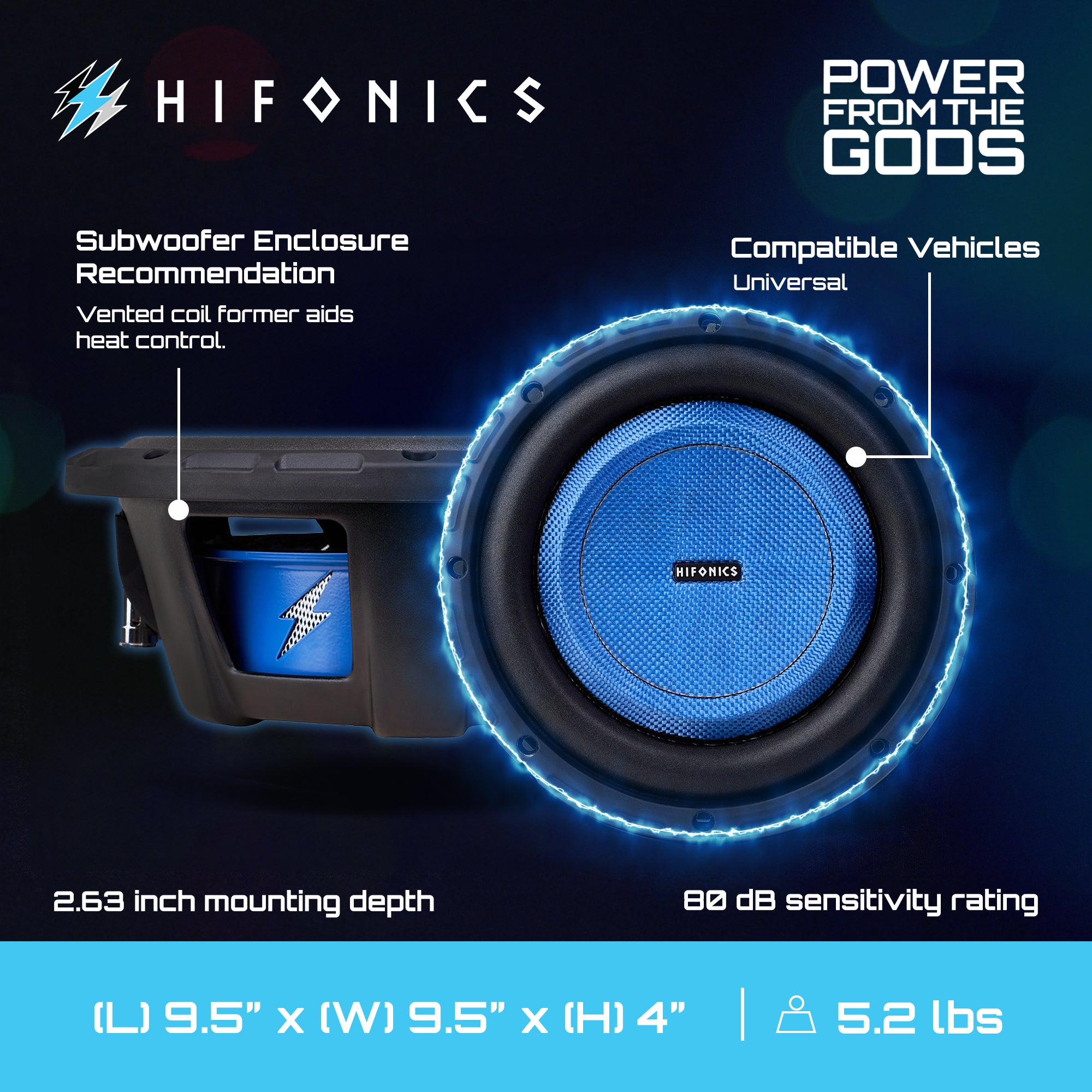
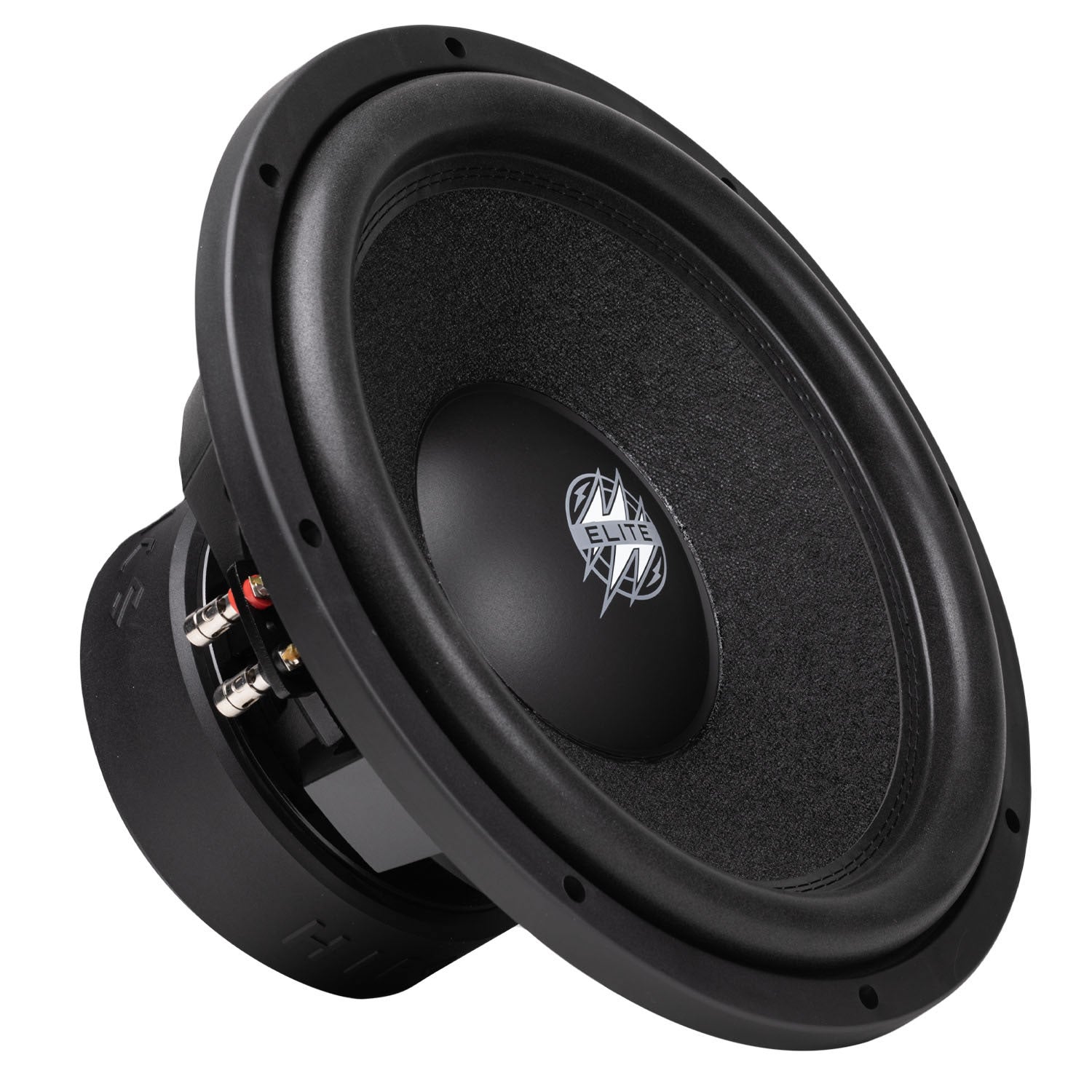
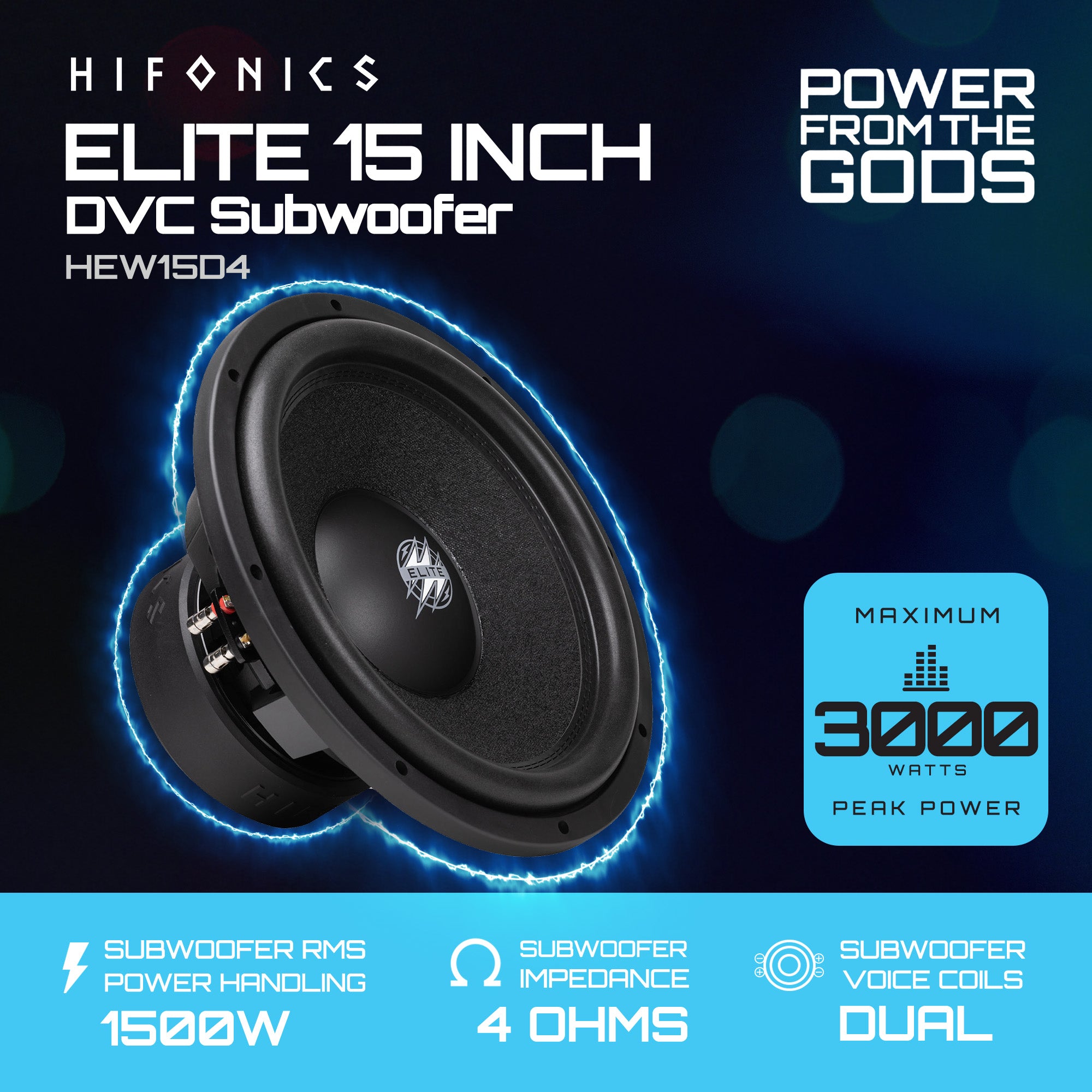
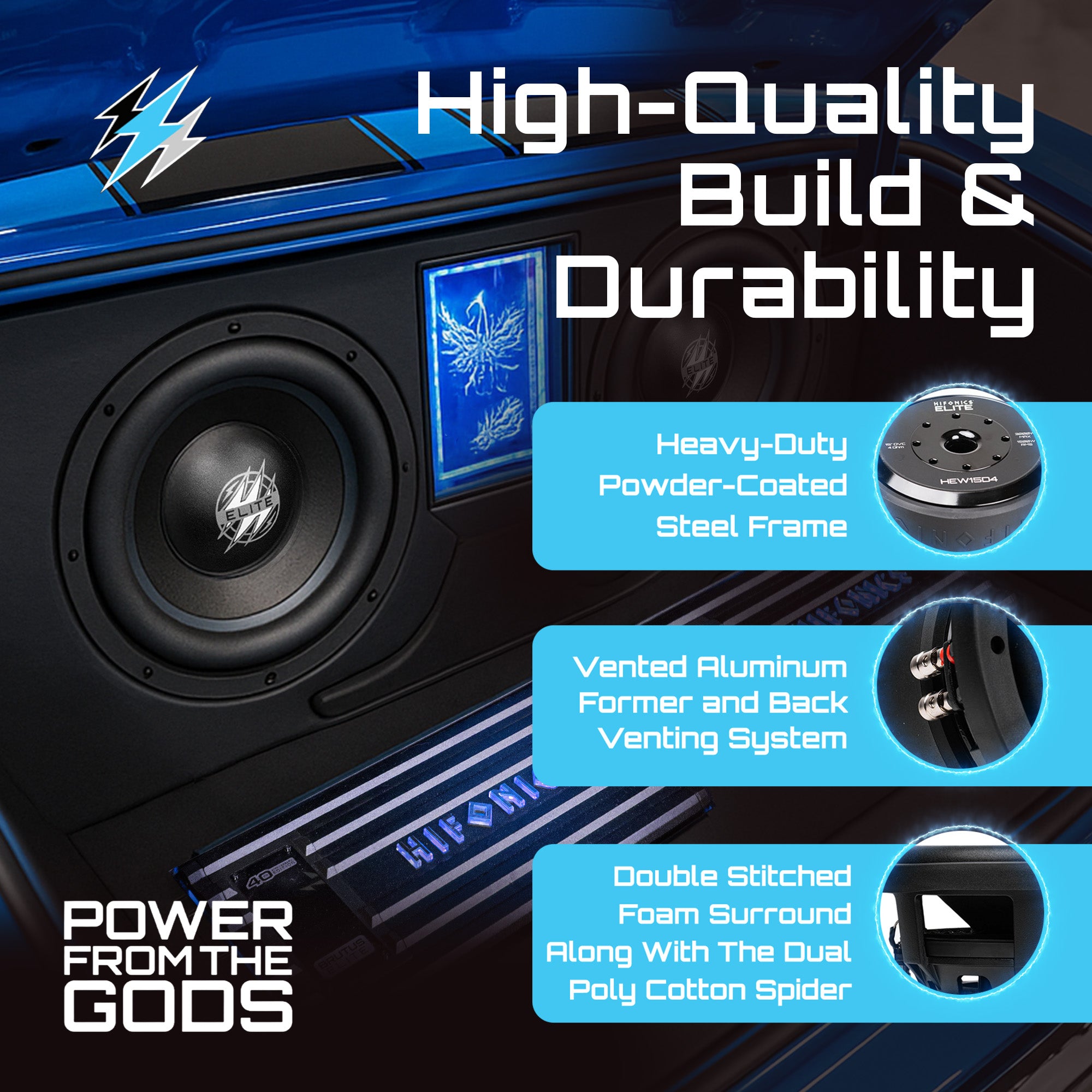
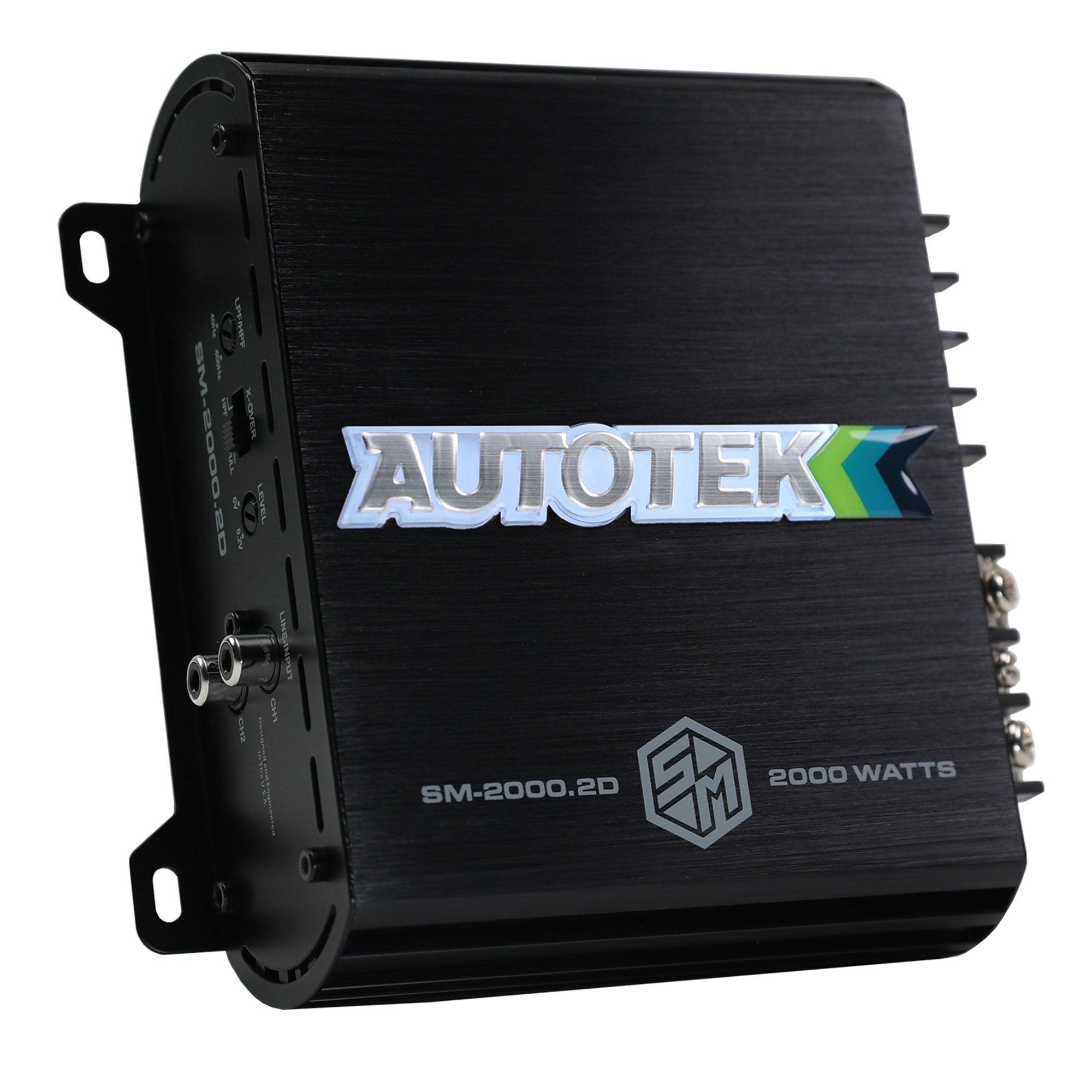
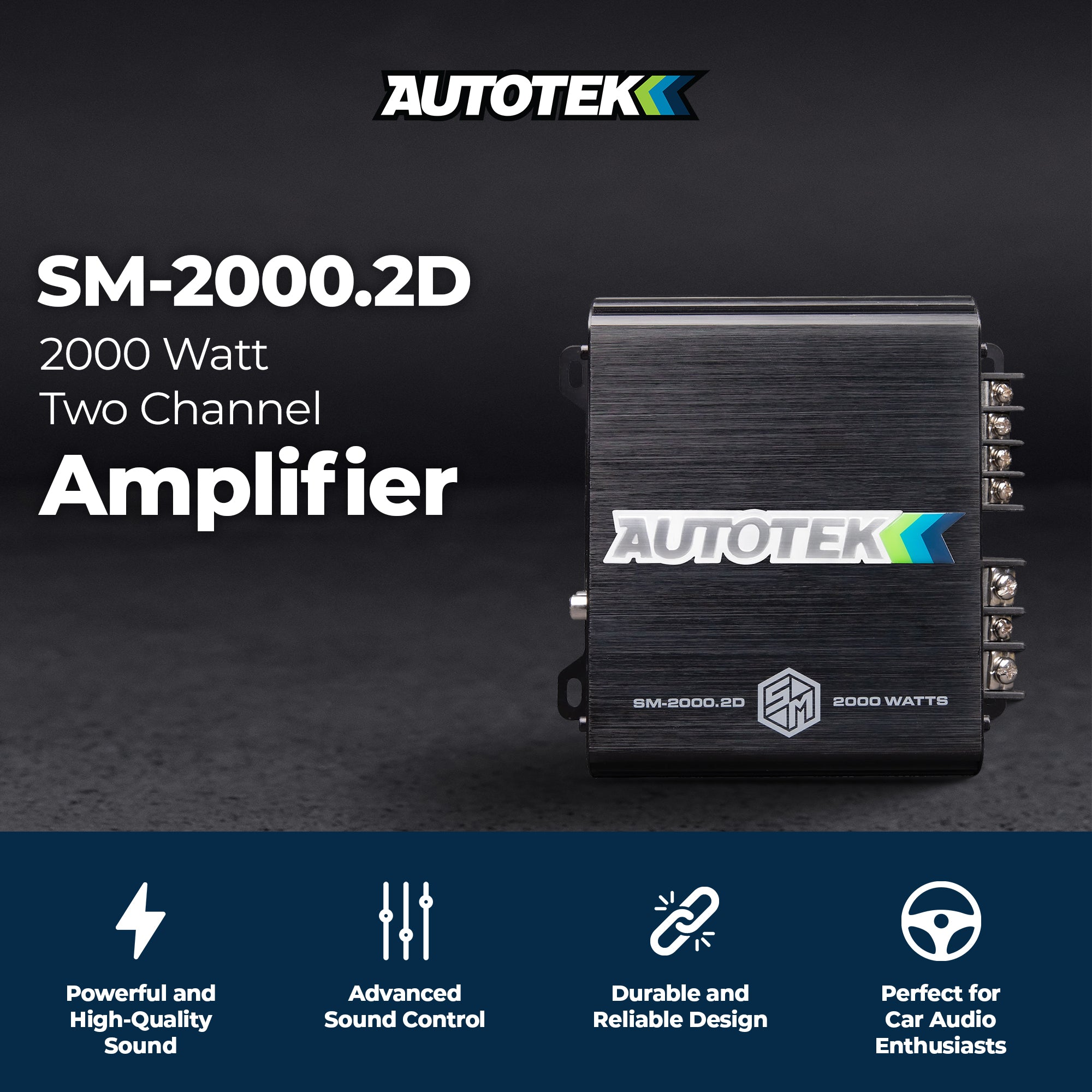
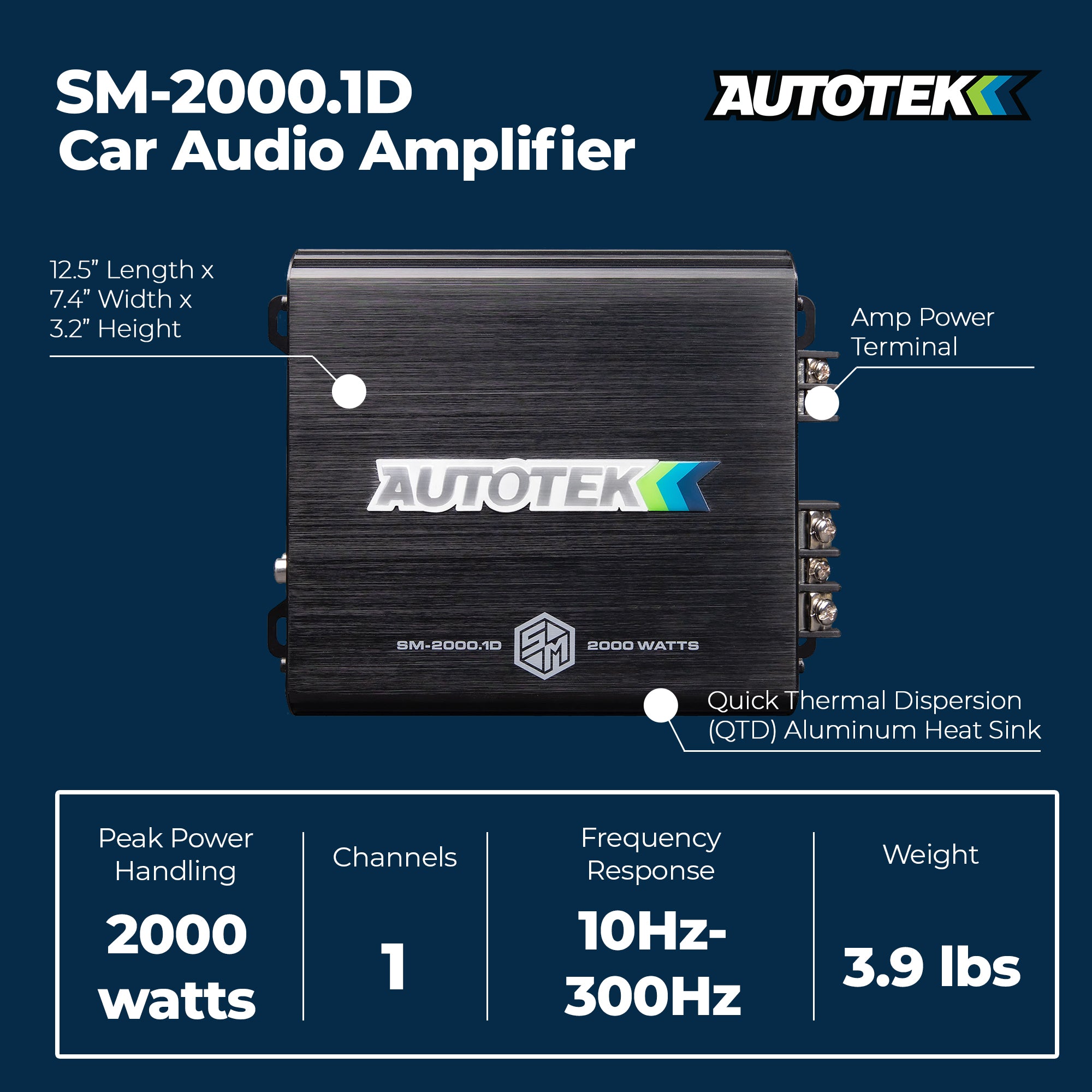
A subwoofer alone won't perform without a matched amplifier — check that your amp's power output (RMS) is compatible with your subwoofer's rated power handling before buying. A loaded subwoofer box or enclosure (subwoofer pre-mounted in a sealed or ported box) is the simpler route for most installs; building your own enclosure gives more tuning control but requires more know-how.
Roof Racks, Bike Racks, and Cargo Carriers
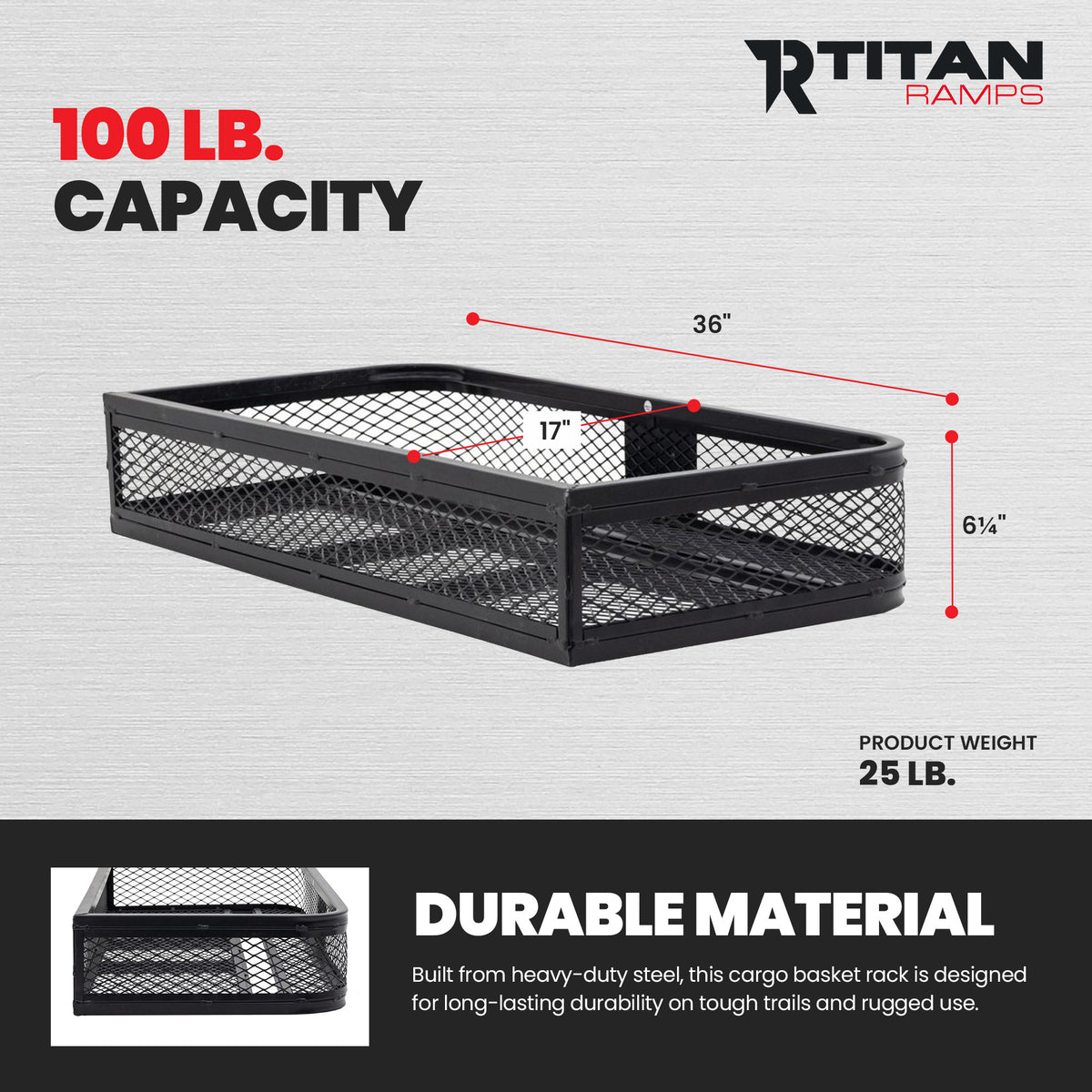
Roof racks are the foundation — most bike racks, cargo boxes, and carriers mount to crossbars rather than directly to the vehicle. Confirm your vehicle's roof weight limit before loading up, since it's often lower than the rack's own weight rating suggests. A hitch-mounted cargo carrier is usually easier to load than a roof-mounted one and doesn't affect vehicle height clearance.
Trailer Hitches and Towing Basics
Hitches are classified by class (1 through 5), which corresponds to towing capacity — Class 1-2 covers small utility trailers and bike racks, Class 3-4 covers most personal trailers and campers, and Class 5 is for heavy-duty towing. Always check both your vehicle's towing capacity and the hitch class before hauling a loaded utility trailer.

FAQs
What's the difference between a subwoofer box and an enclosure?
The terms are often used interchangeably, but "enclosure" typically refers to the design/type (sealed vs. ported) while a "box" is the physical loaded product — a sealed box gives tighter, more accurate bass, while a ported box gives louder, deeper bass.
What size utility trailer do I need?
Match trailer capacity to your typical load, not your heaviest one-time load — a 4x8 utility trailer covers most yard/hauling needs, while larger loads (ATVs, riding mowers) usually need a 5x10 or bigger.