
4.9
Save 67%
4.9
Save 61%
4.5
Save 44%
4.8
Save 57%
Save 34%
4.6
Save 59%
4.8
Save 86%
5.0
Save 55%
4.8
Save 64%

Push Mower vs. Riding Mower

A push (walk-behind) mower is the right call for yards under about half an acre, costs less upfront, and is easier to store. A riding mower makes sense once you're regularly mowing a half-acre or more — it costs more but saves significant time and physical effort on larger properties. If your yard has a lot of tight corners, garden beds, or slopes, a push mower's maneuverability often wins even on mid-sized lots.

Choosing a Pressure Washer

Pressure washers are rated in PSI (pressure) and GPM (flow rate) — multiply the two for a rough "cleaning units" comparison. Light-duty jobs like patio furniture or cars need 1,300-1,900 PSI. Driveways, siding, and decks typically need 2,000-2,800 PSI. Heavy-duty stripping or large concrete areas benefit from 3,000+ PSI, usually in a gas model.

Getting Started with a Greenhouse or Rain Barrel

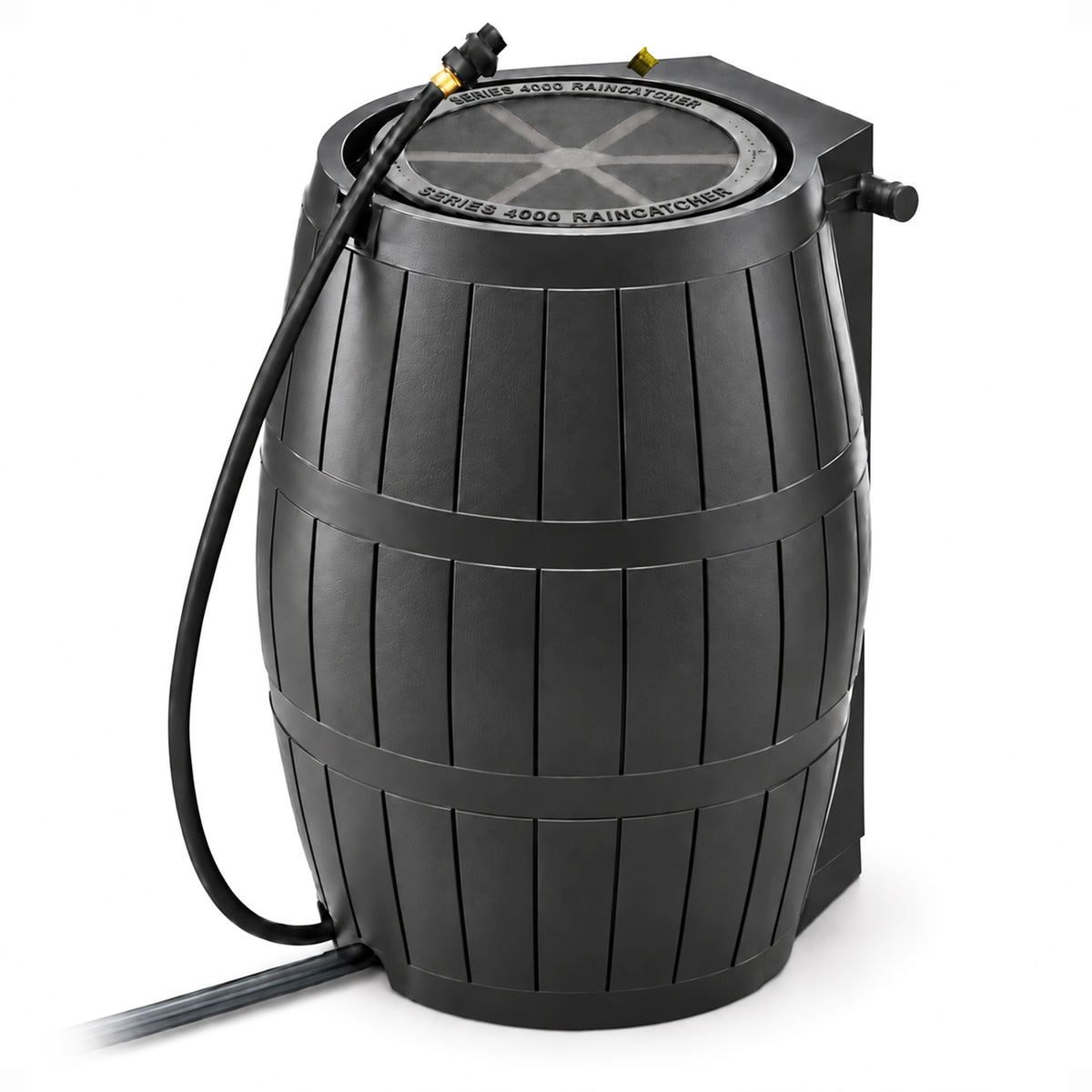
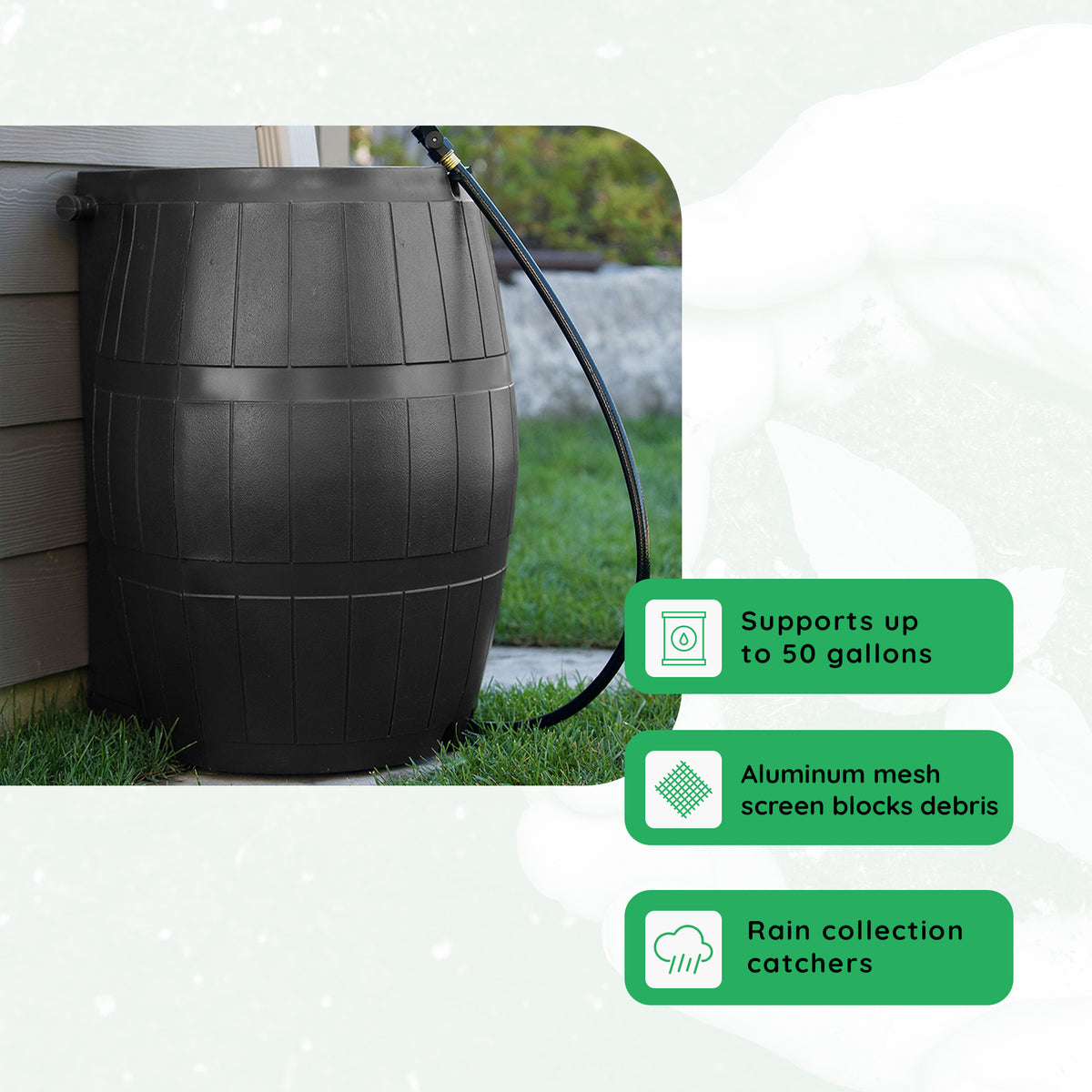
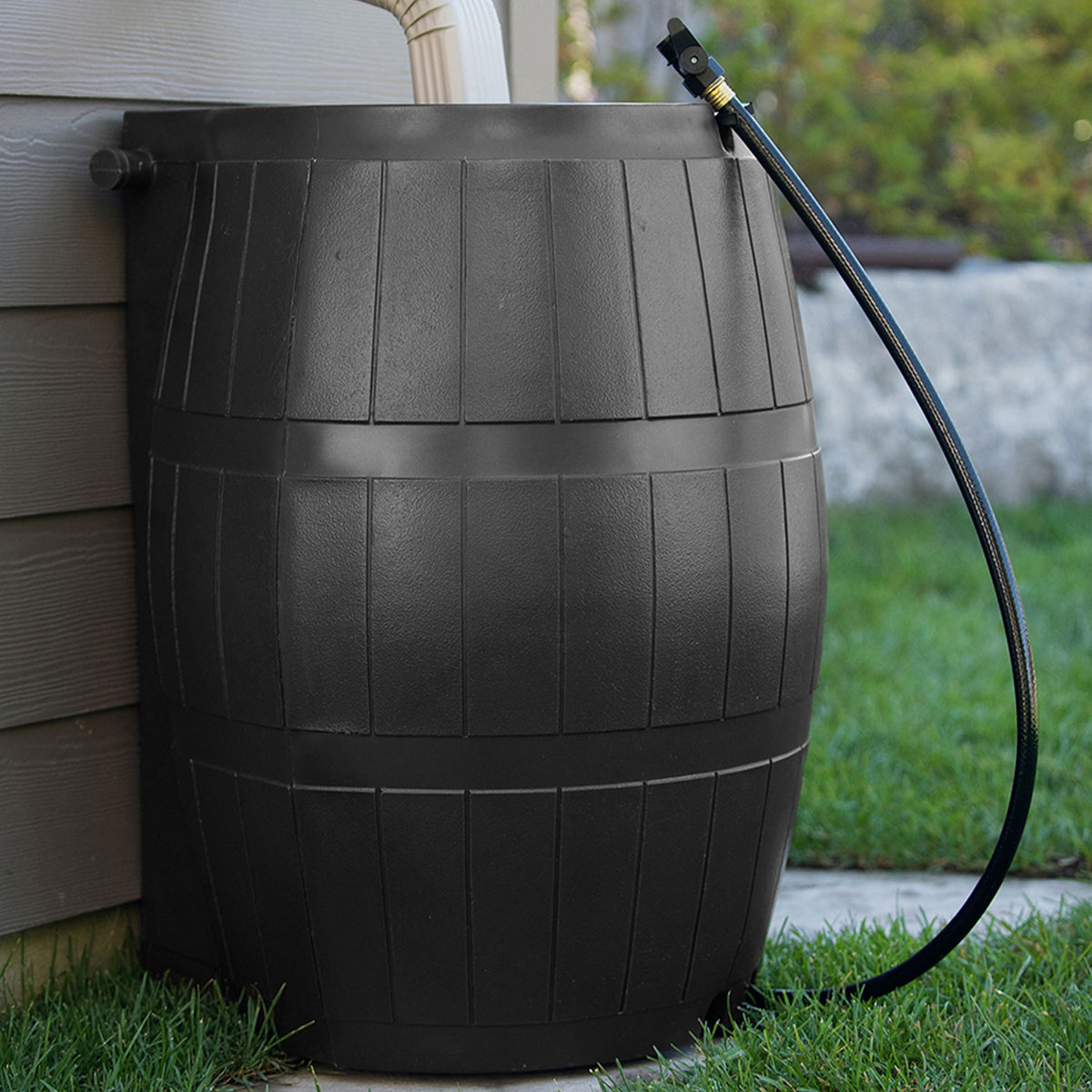
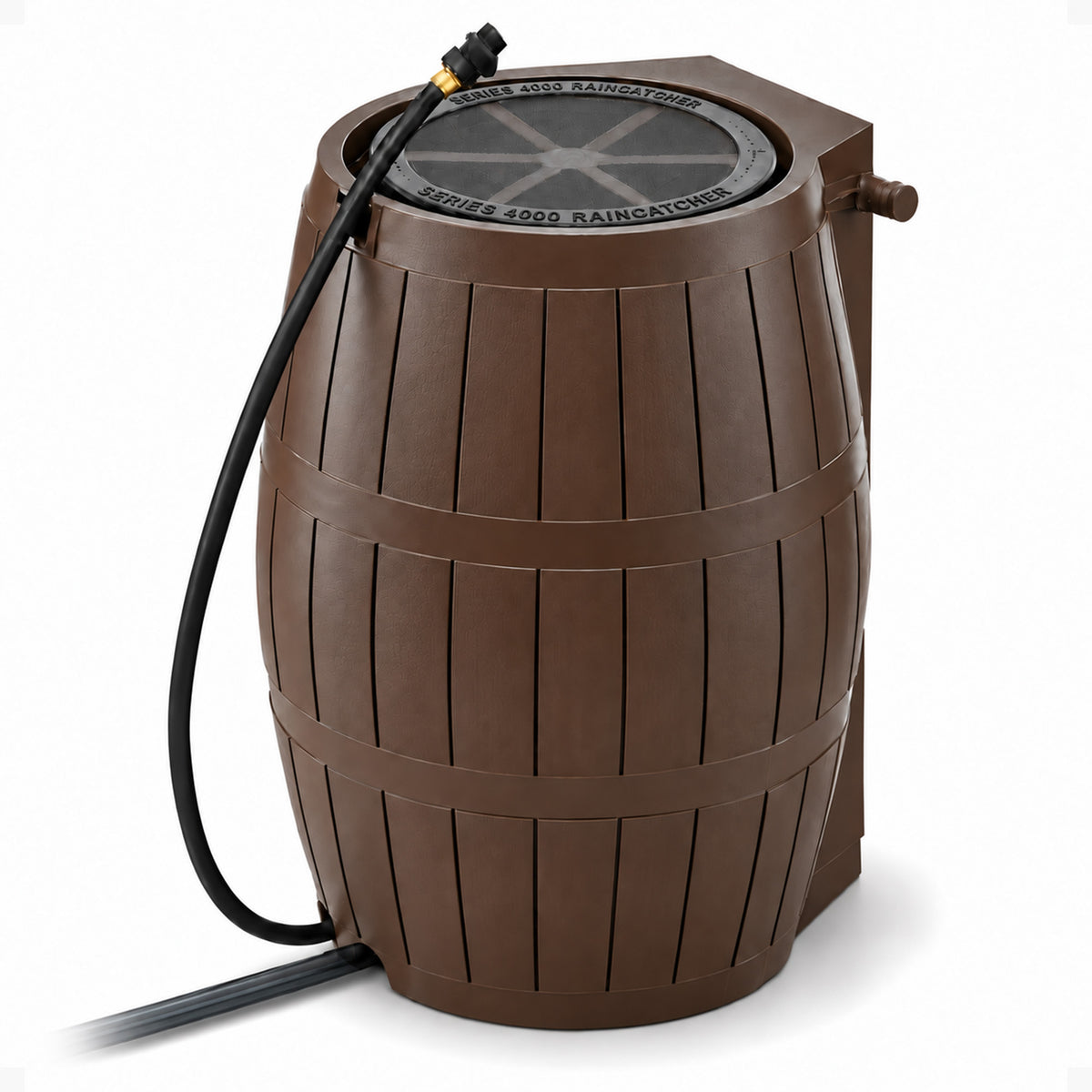
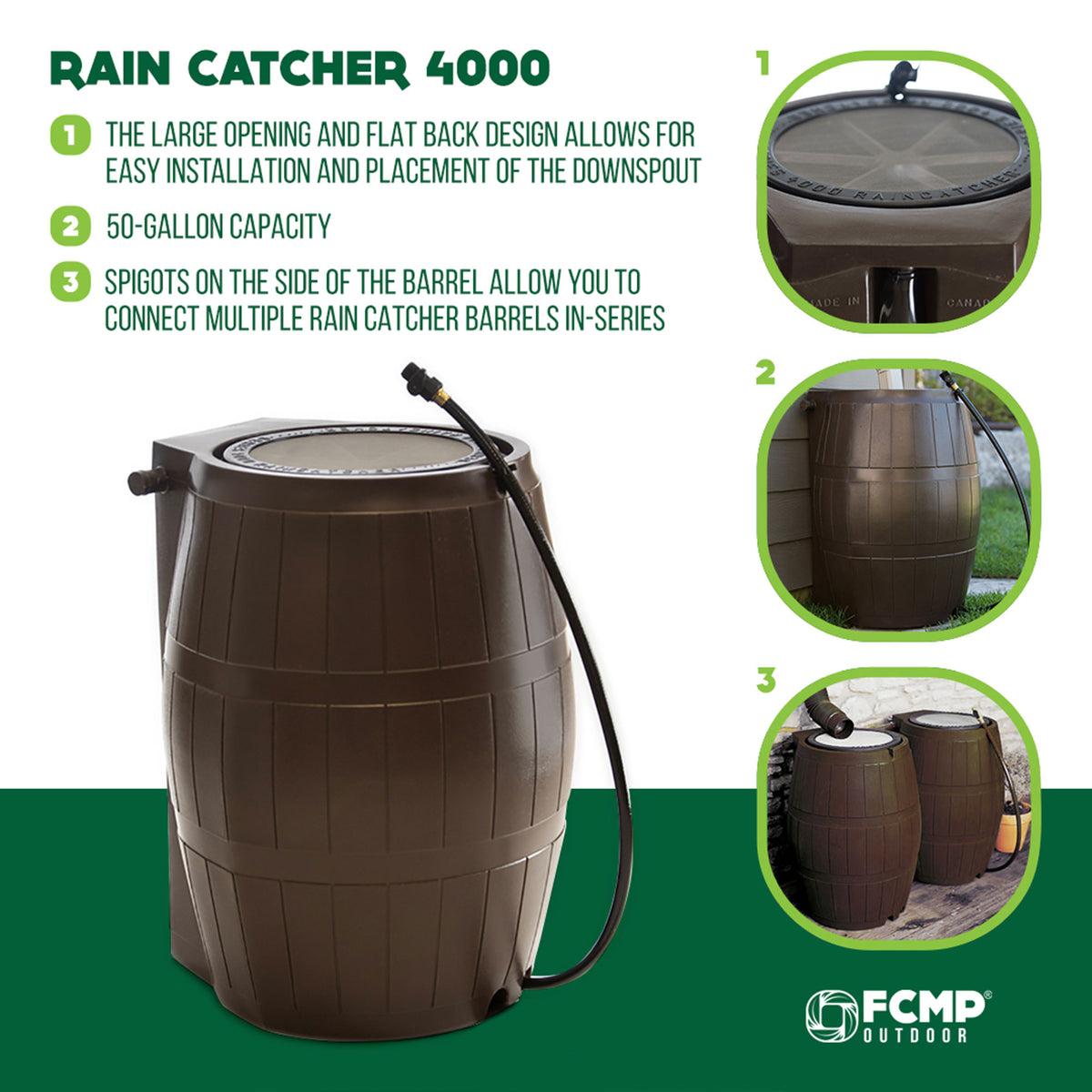
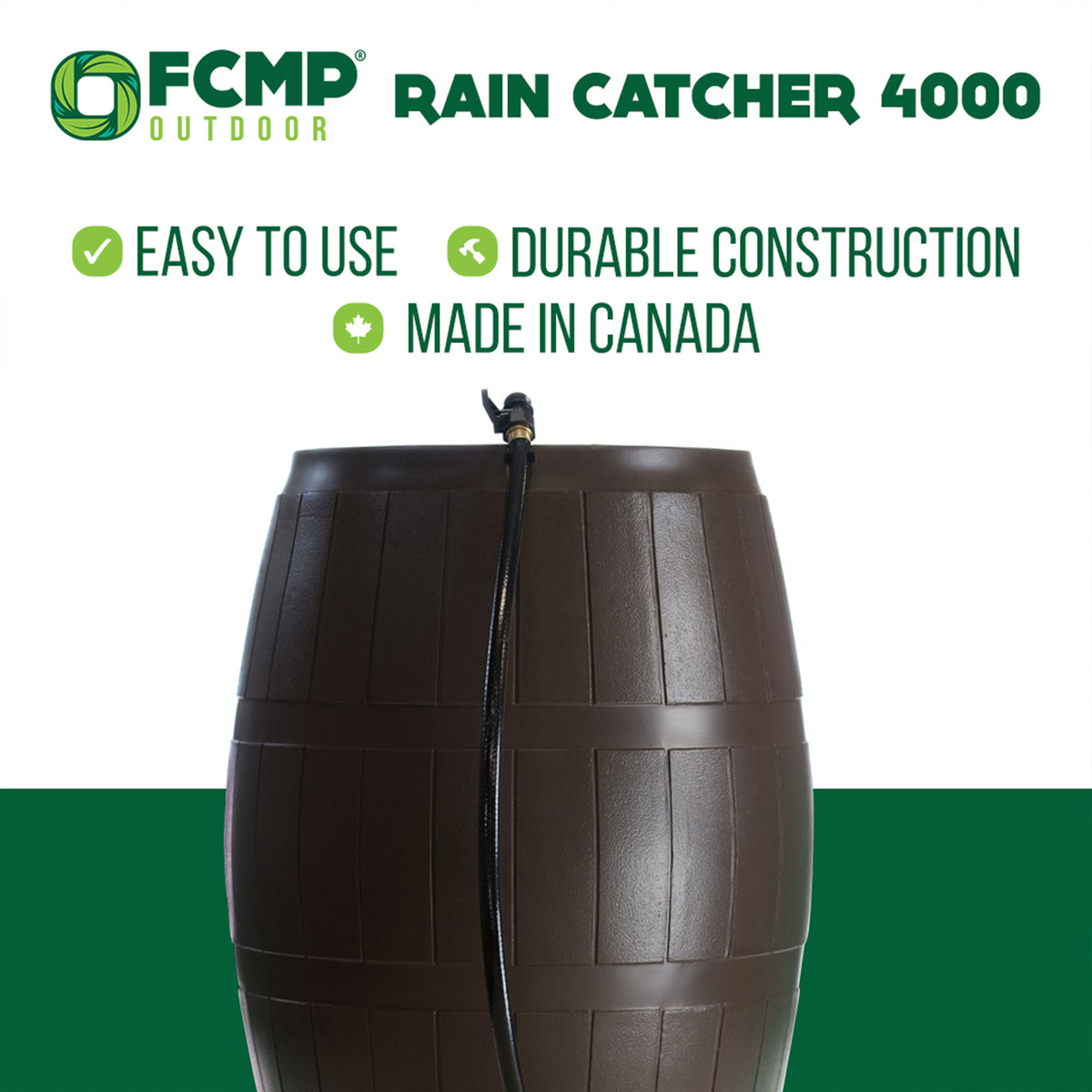
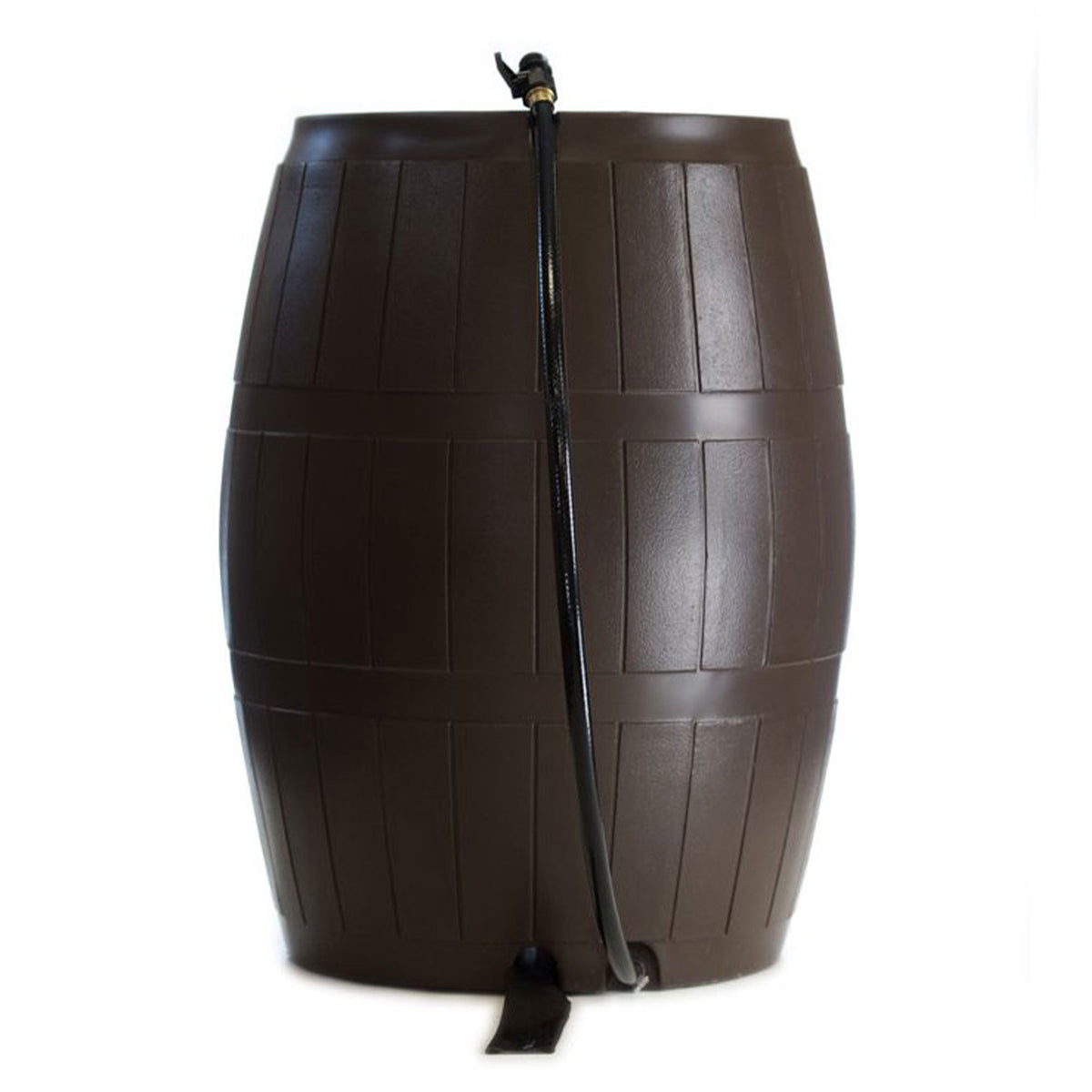
A greenhouse extends your growing season on both ends — starting seedlings earlier in spring and protecting tender plants later into fall. A rain barrel connected to a downspout is a low-effort way to cut down on hose watering while collecting a genuinely useful amount of water even from a single average rainstorm.

FAQs

Should I get a lawn mower or a riding mower?

Under about half an acre, a push mower is usually more practical and affordable. Once you're regularly cutting a half-acre or more, a riding mower saves enough time and effort to be worth the higher cost.

What size chainsaw do I need for general yard work?

For pruning and small branches, a 12-14" bar is plenty. For felling small trees or regular firewood prep, look at 16-18". Bars over 18" are typically for larger property or professional-adjacent use.

How much water can a rain barrel actually collect?

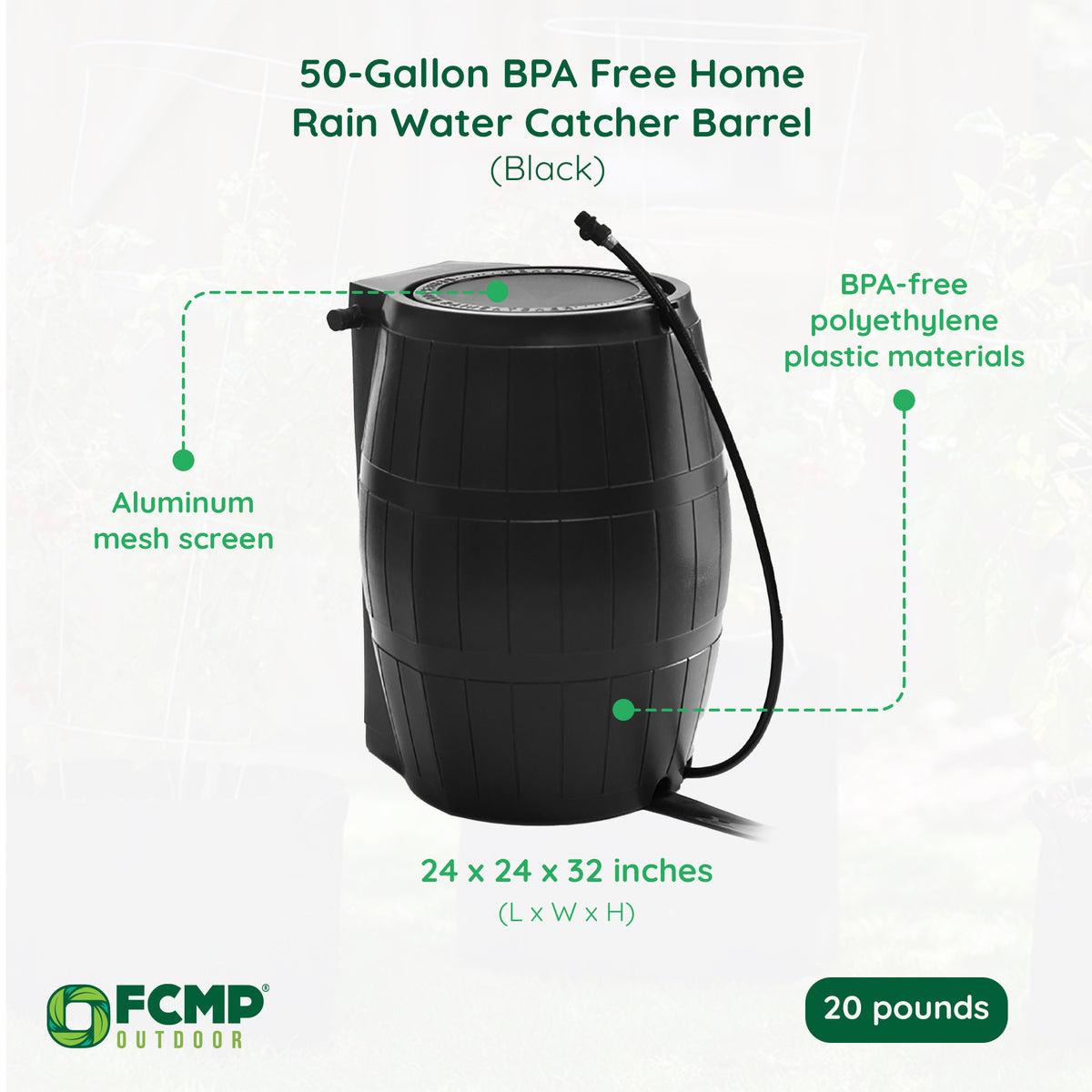
A typical 50-55 gallon rain barrel fills from as little as a quarter-inch of rain on an average residential roof section, so even light, regular rainfall adds up over a season.