

Baby & Toddler
Baby & Toddler
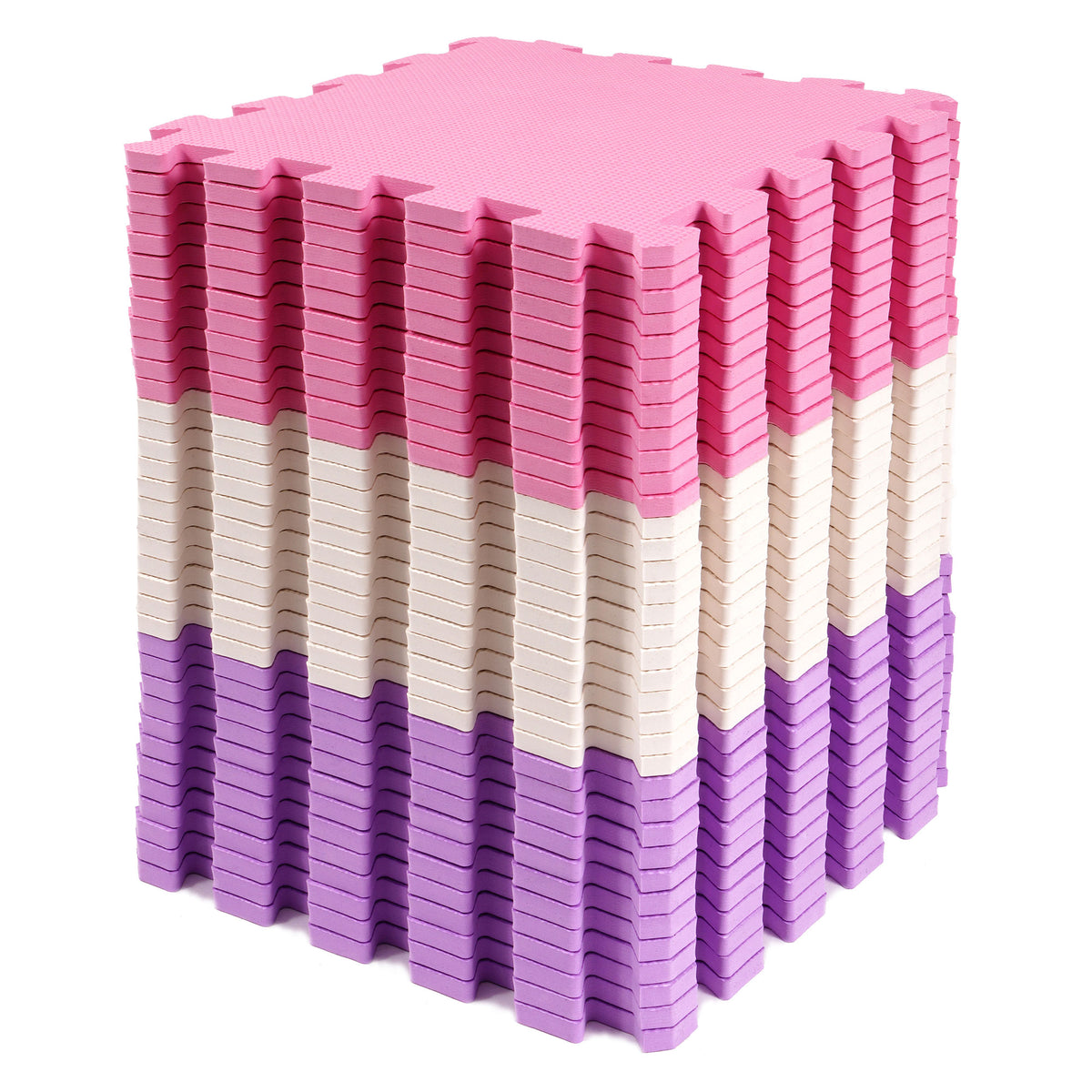
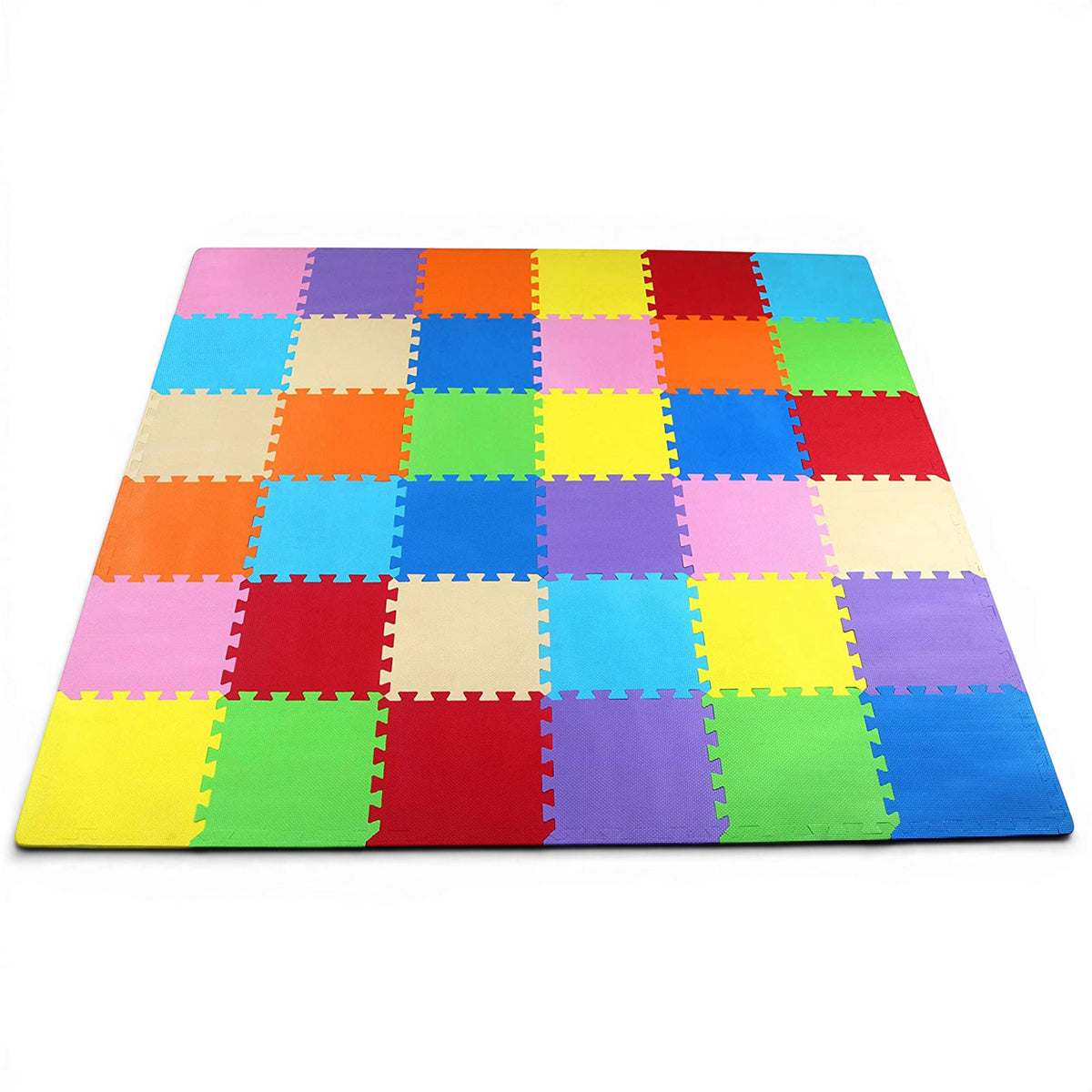
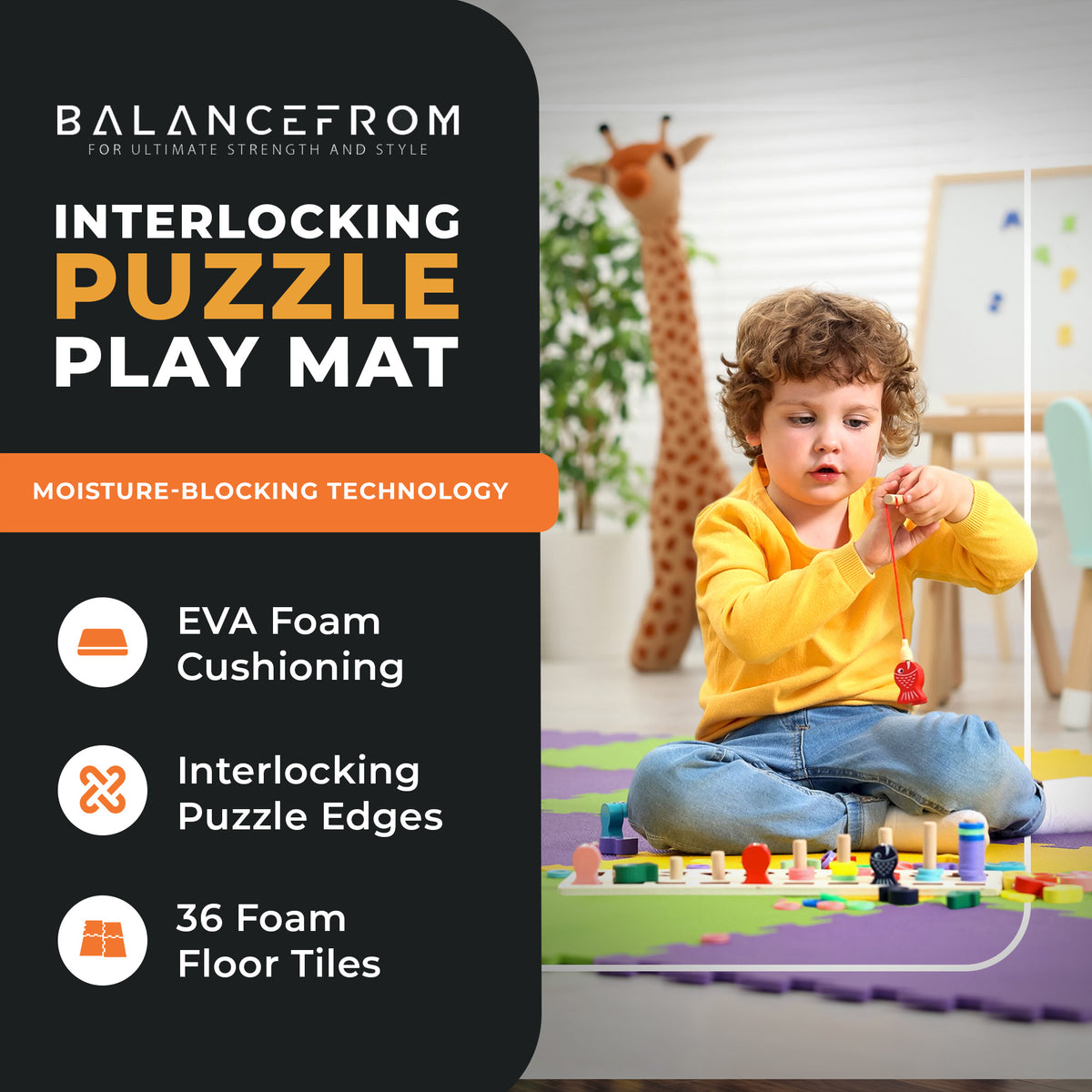
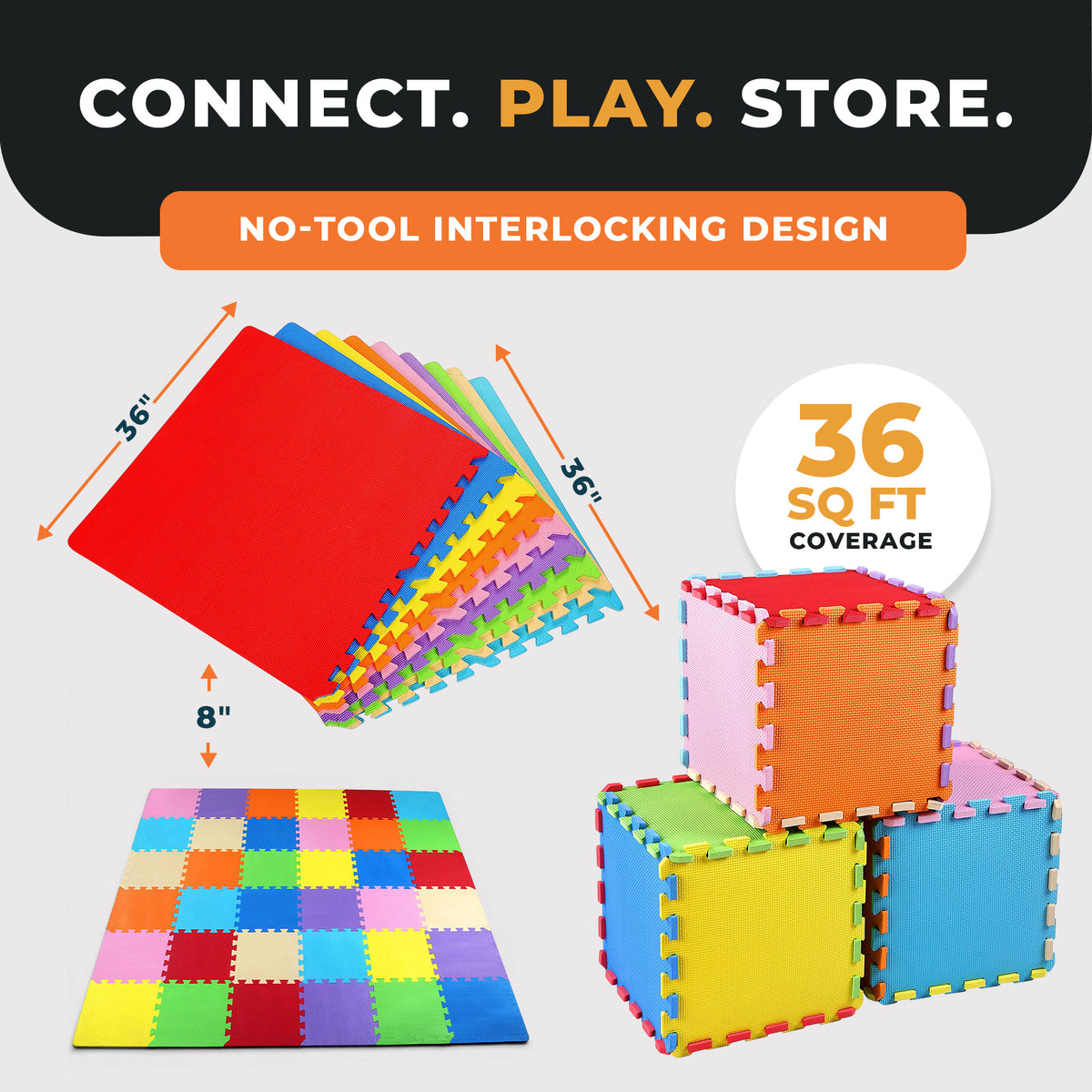
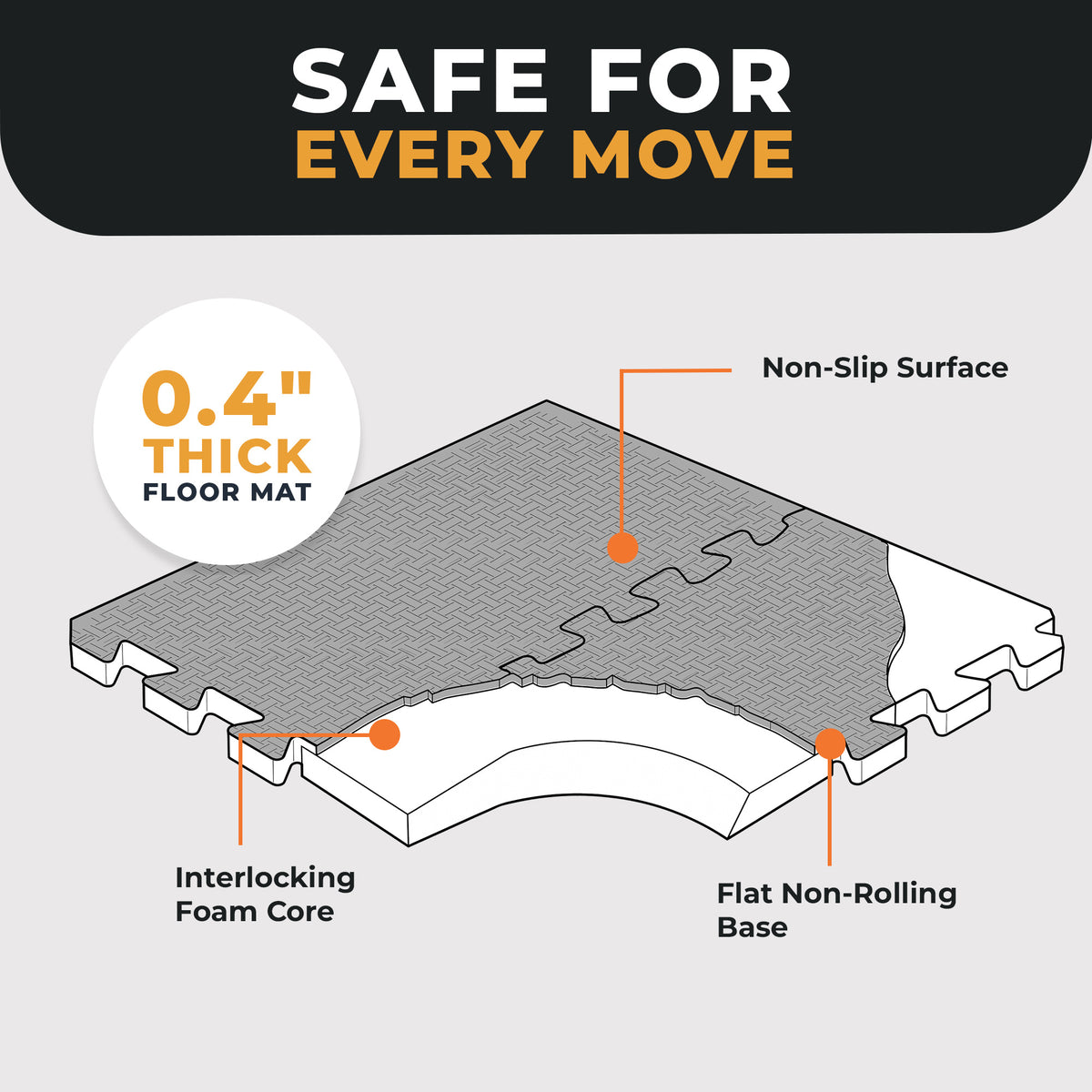
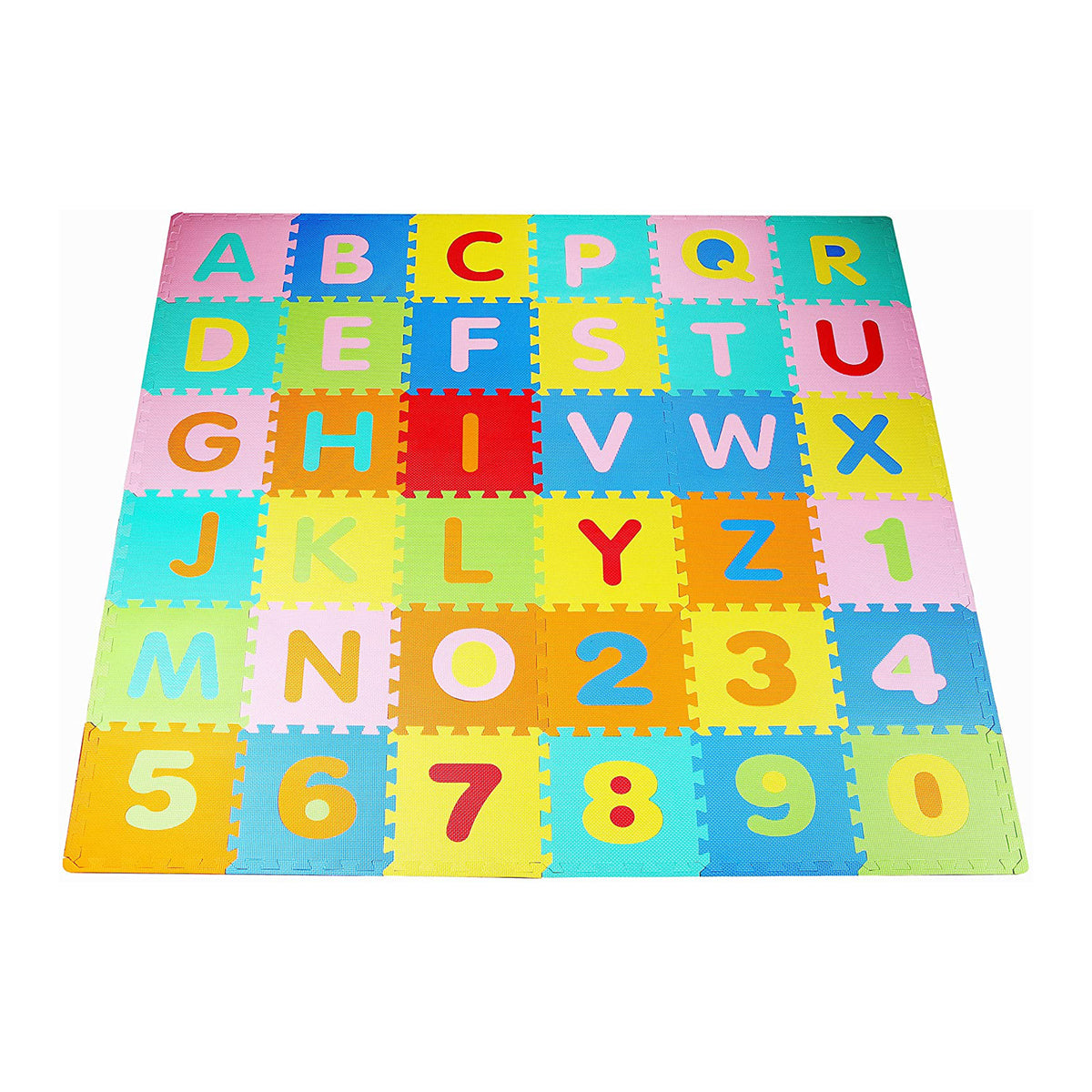
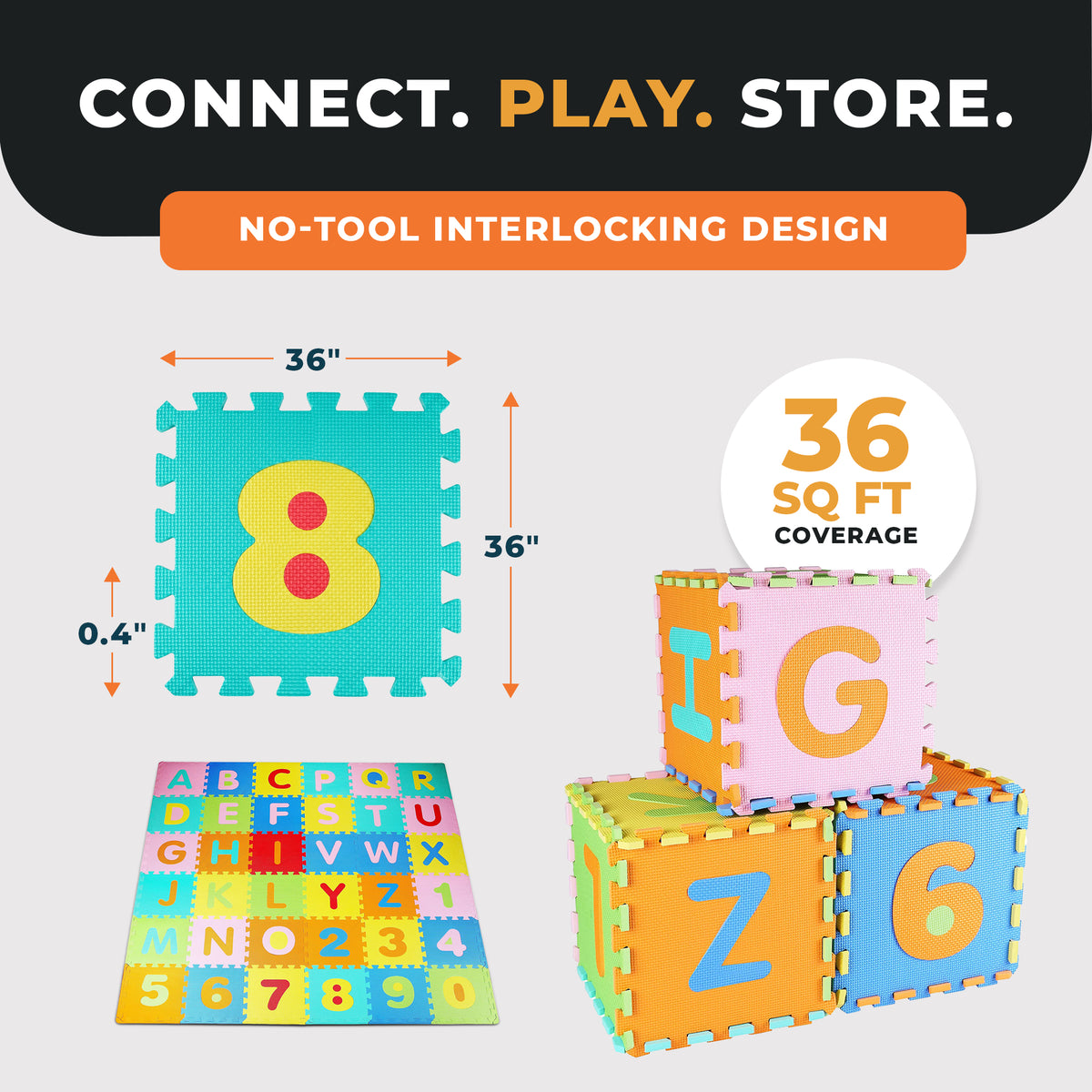
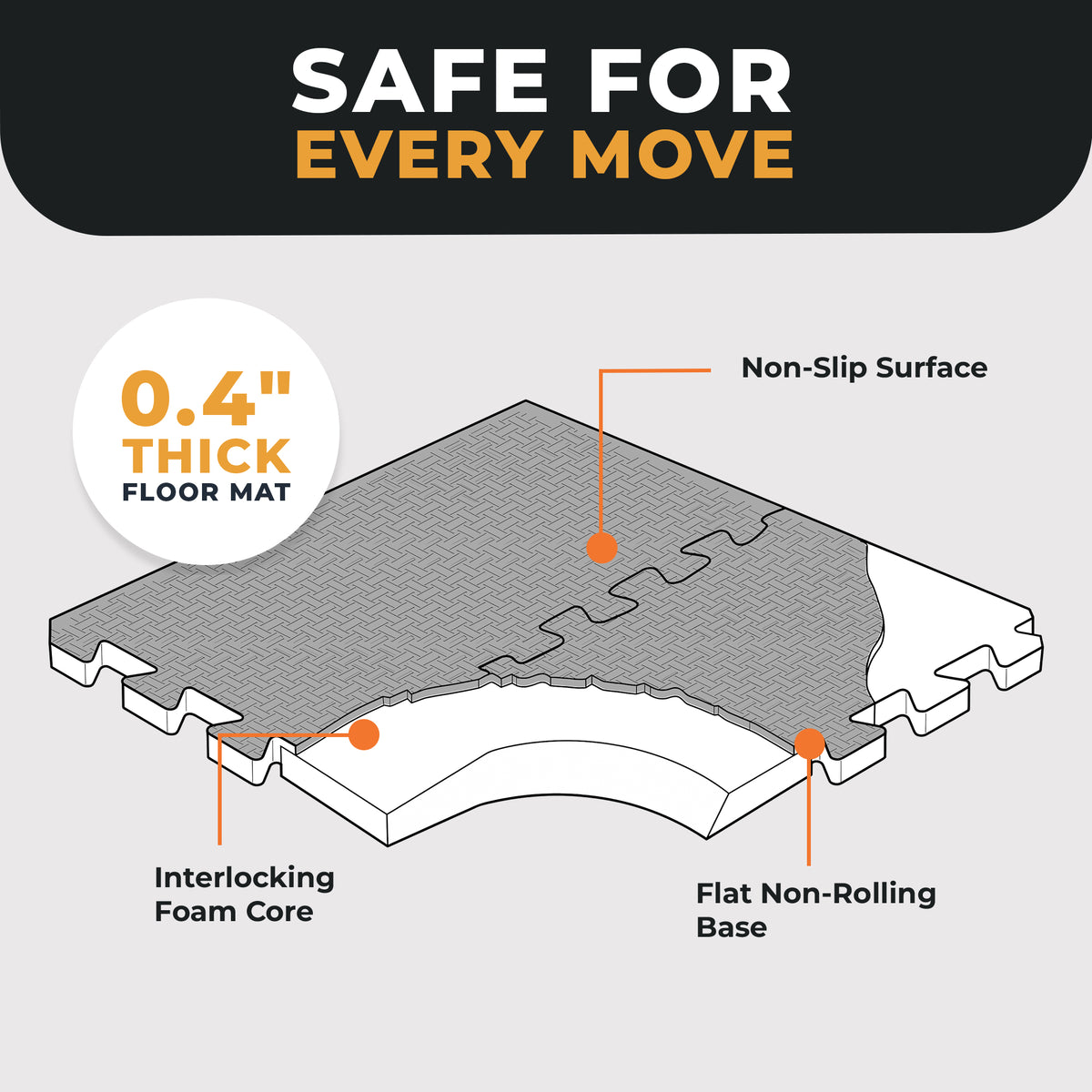
BalanceFrom 9 Color Thick Interlocking Letter Puzzle Foam Exercise Play Mats, 36
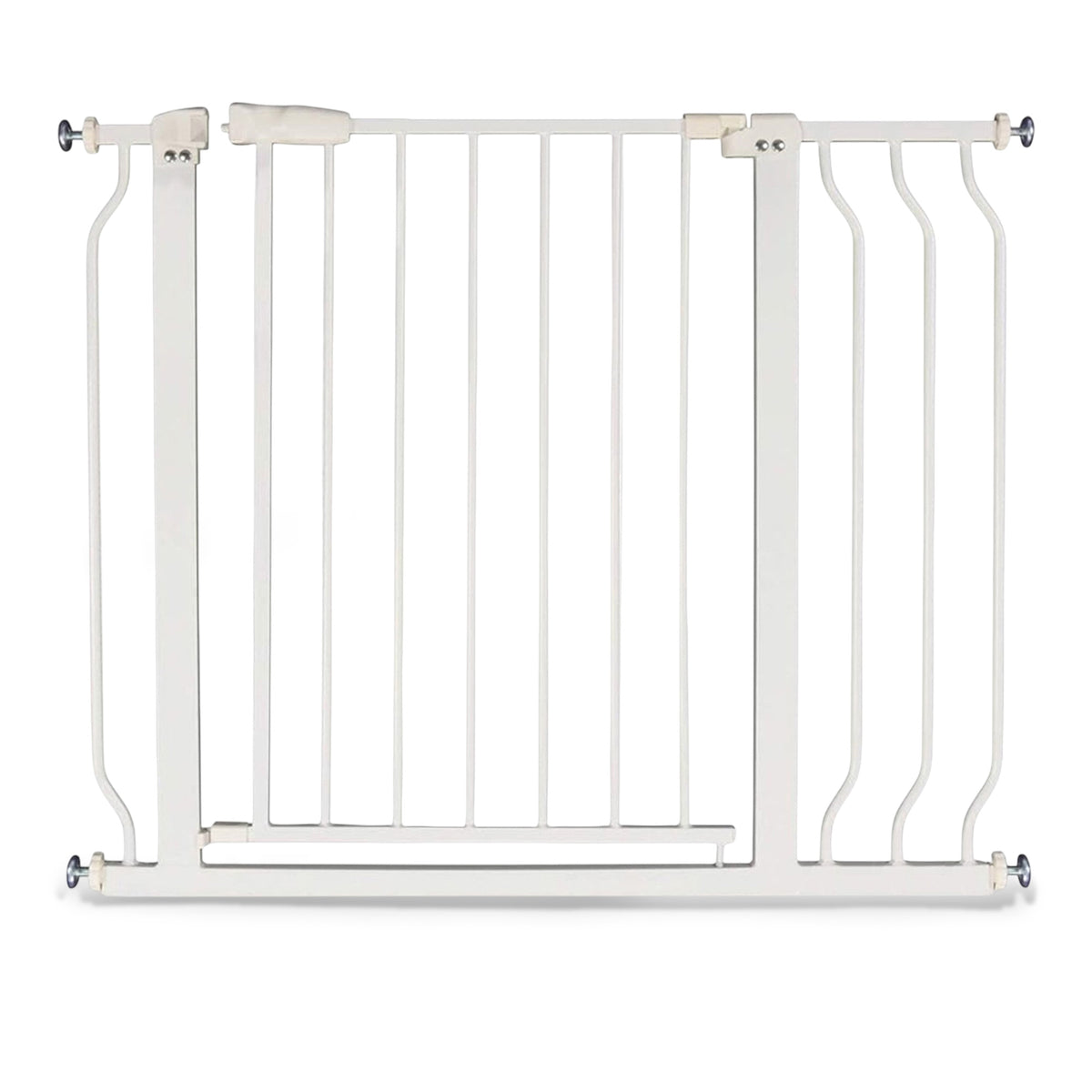
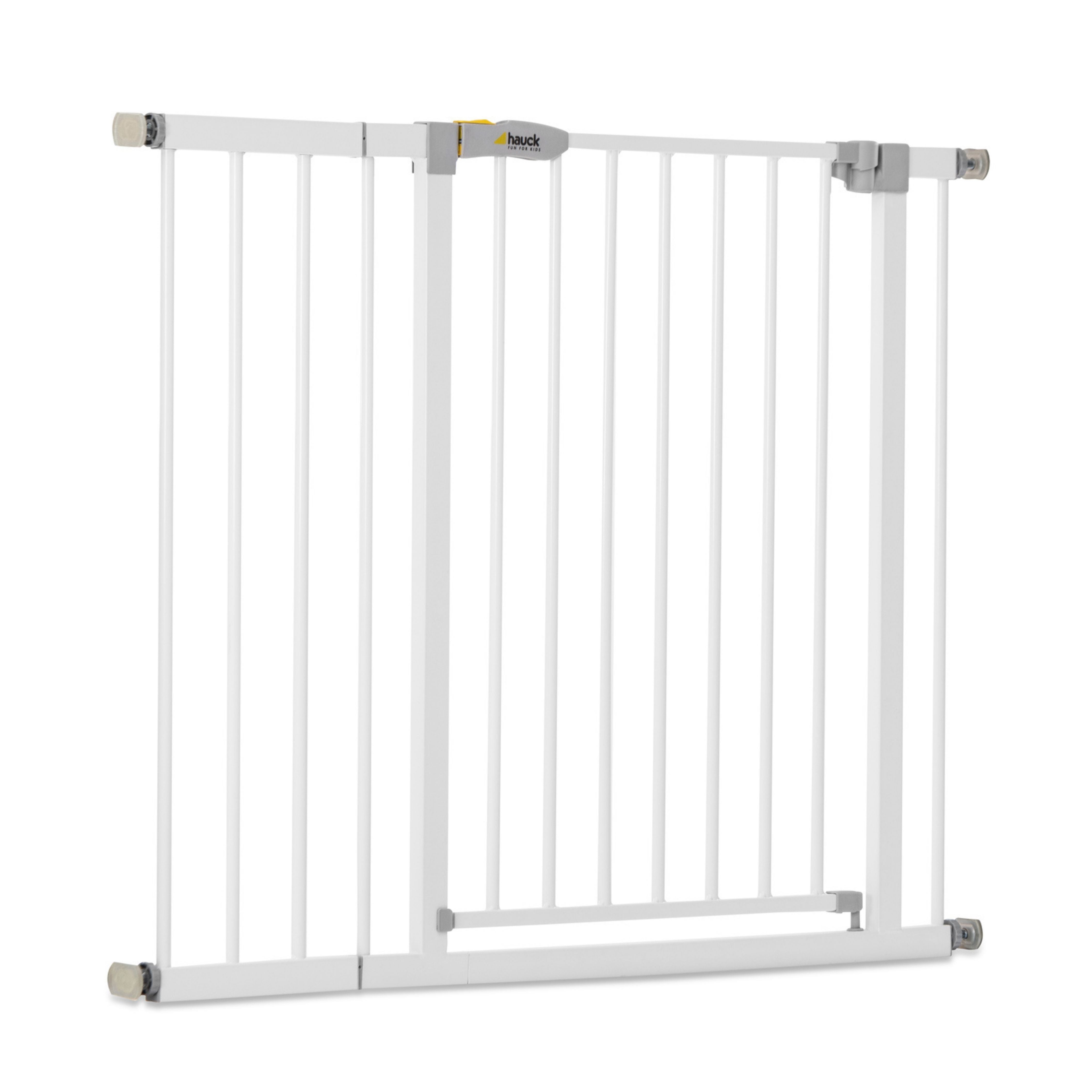
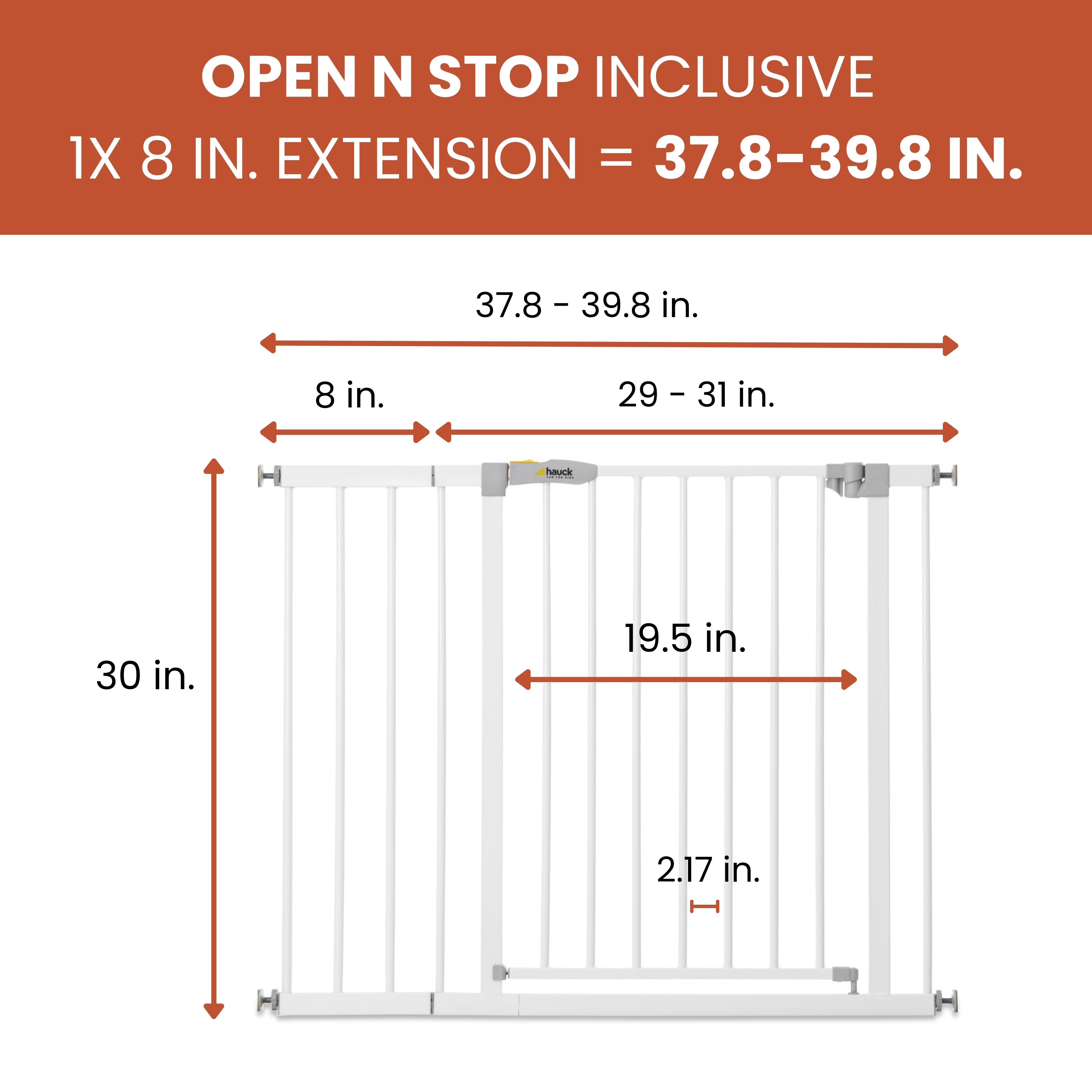
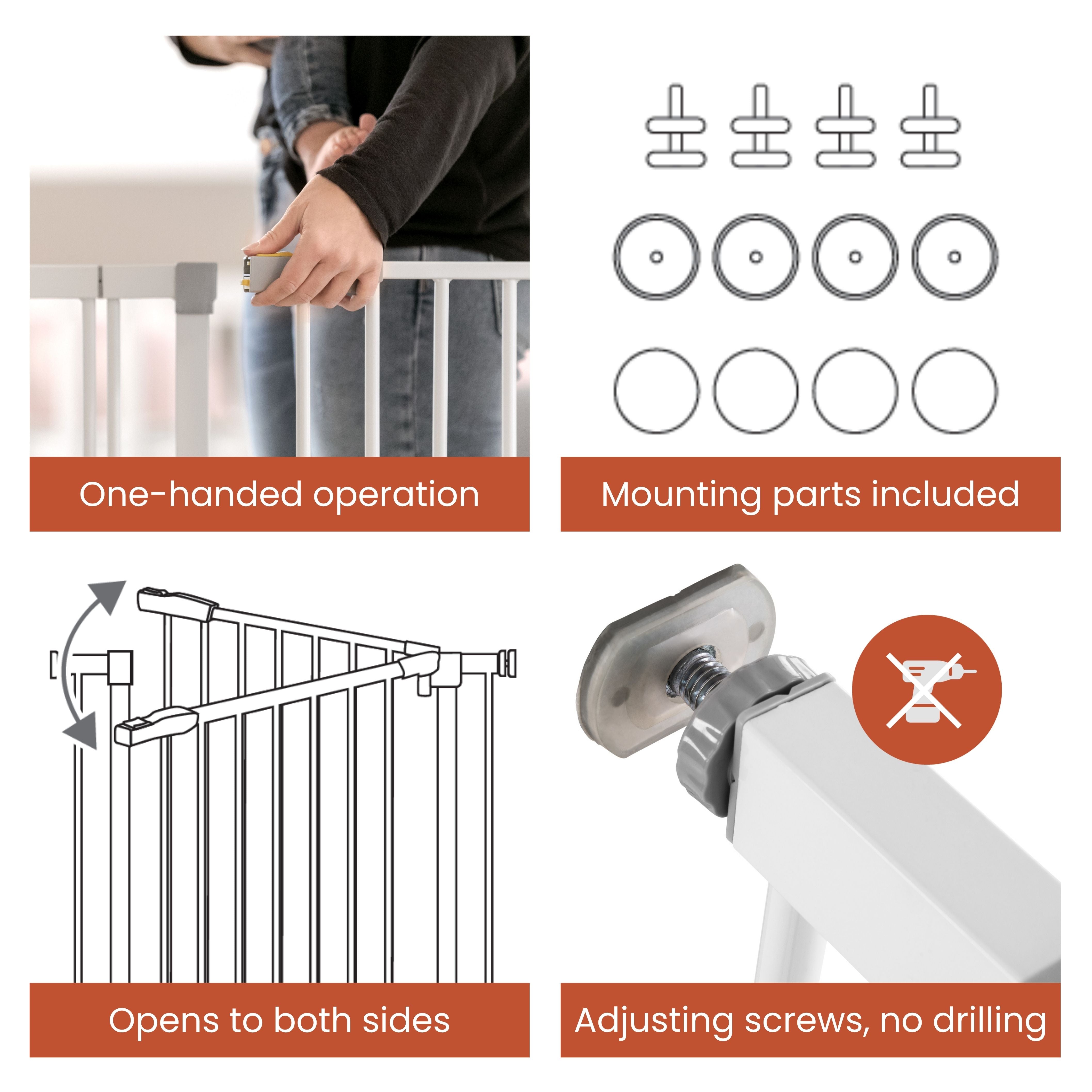
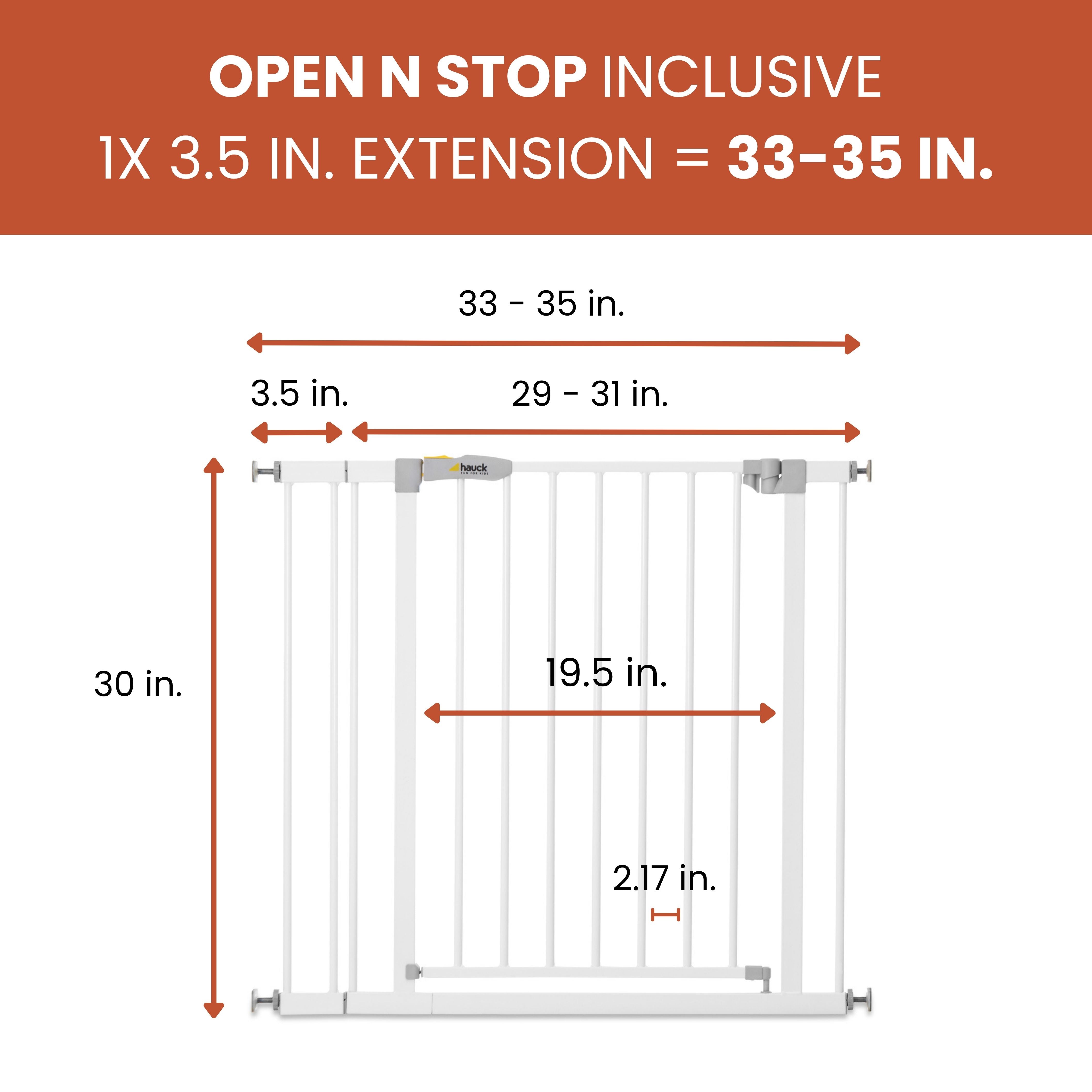
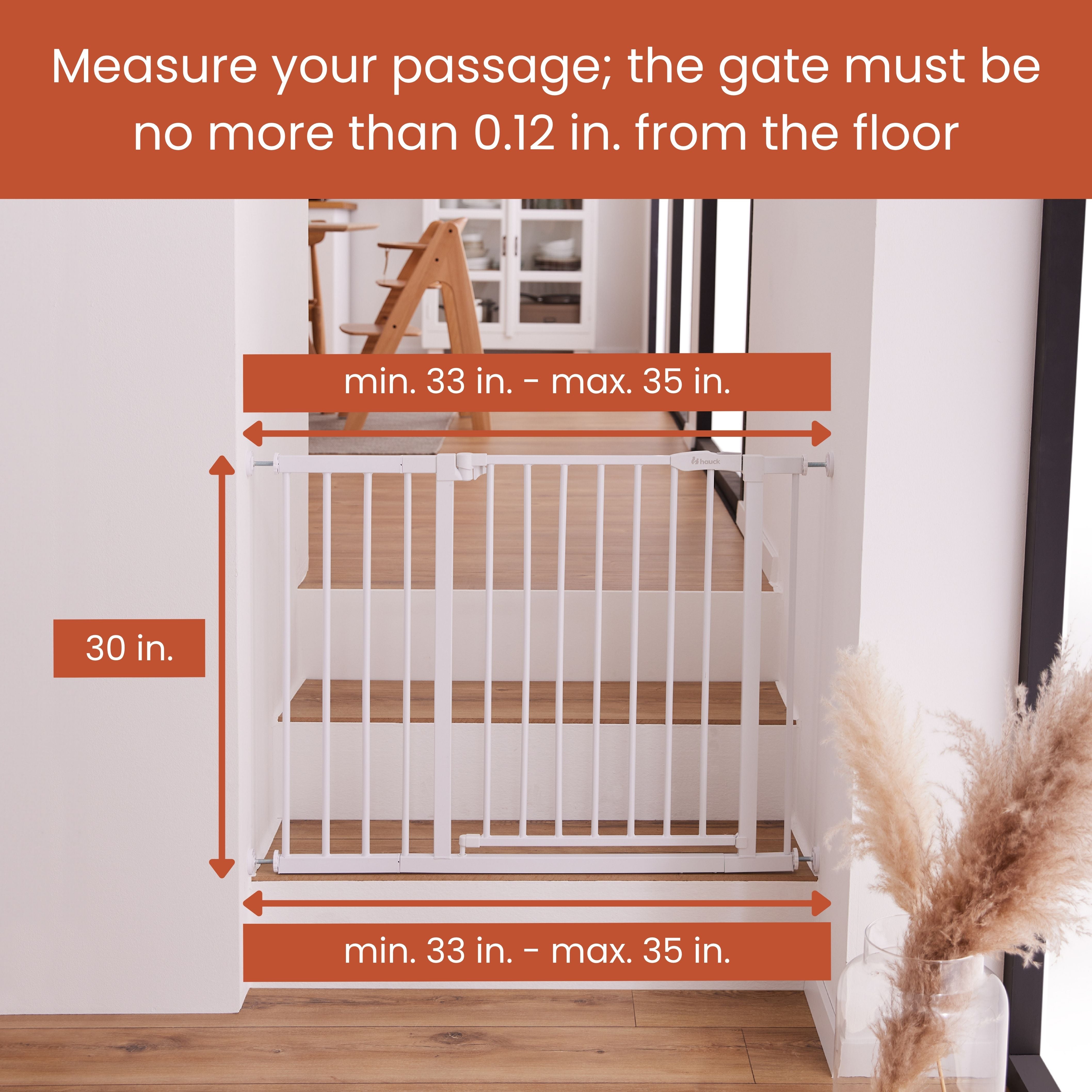
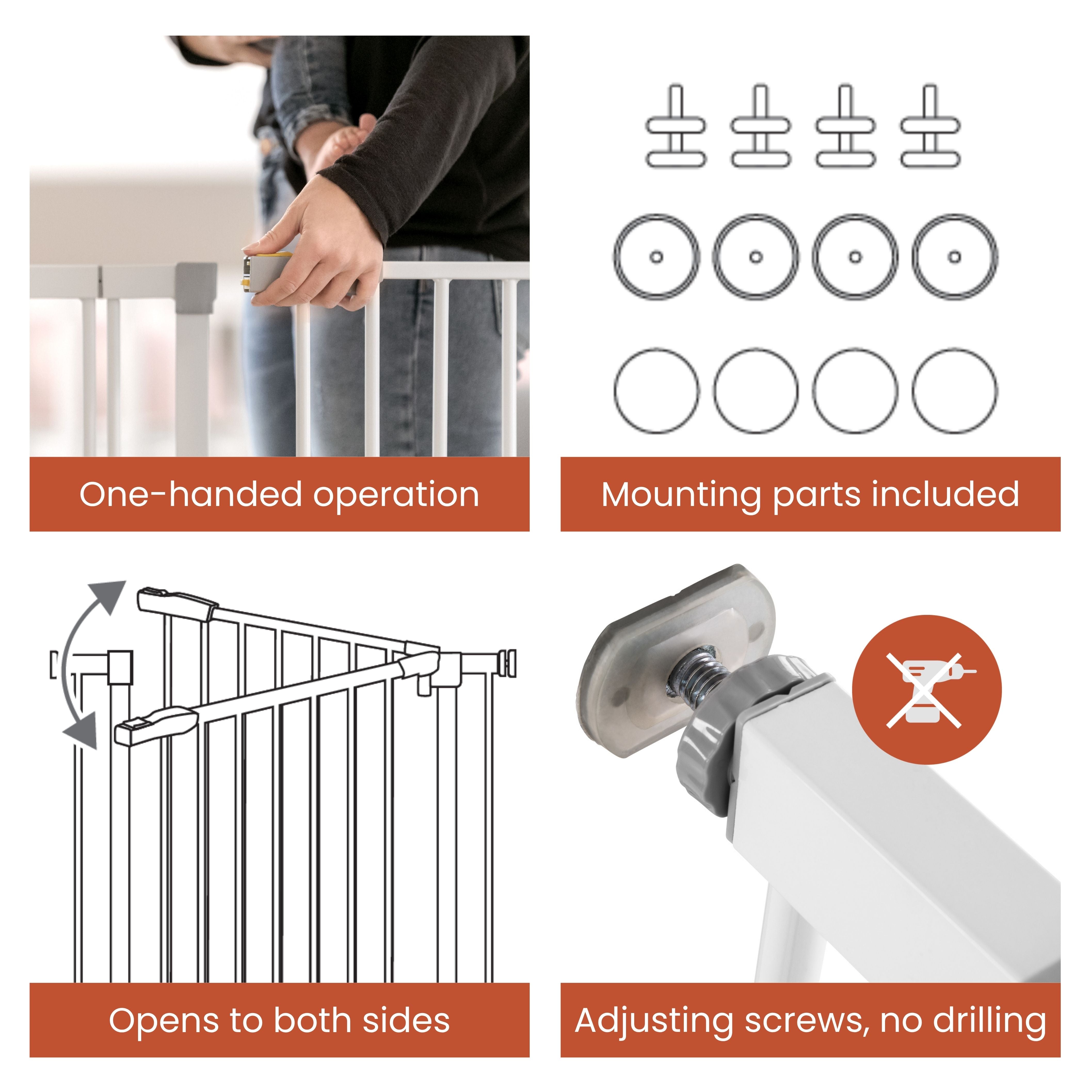
hauck 59727 Open N Stop KD Pressure Fit with 8 Inch Extension Baby Gate, White
hauck Open N Stop Pressure Mounted Fit Baby Safety Gate with 8" Extension, White
BalanceFrom Fitness 36 Tile Thick Interlocking Puzzle Foam Exercise Play Mat
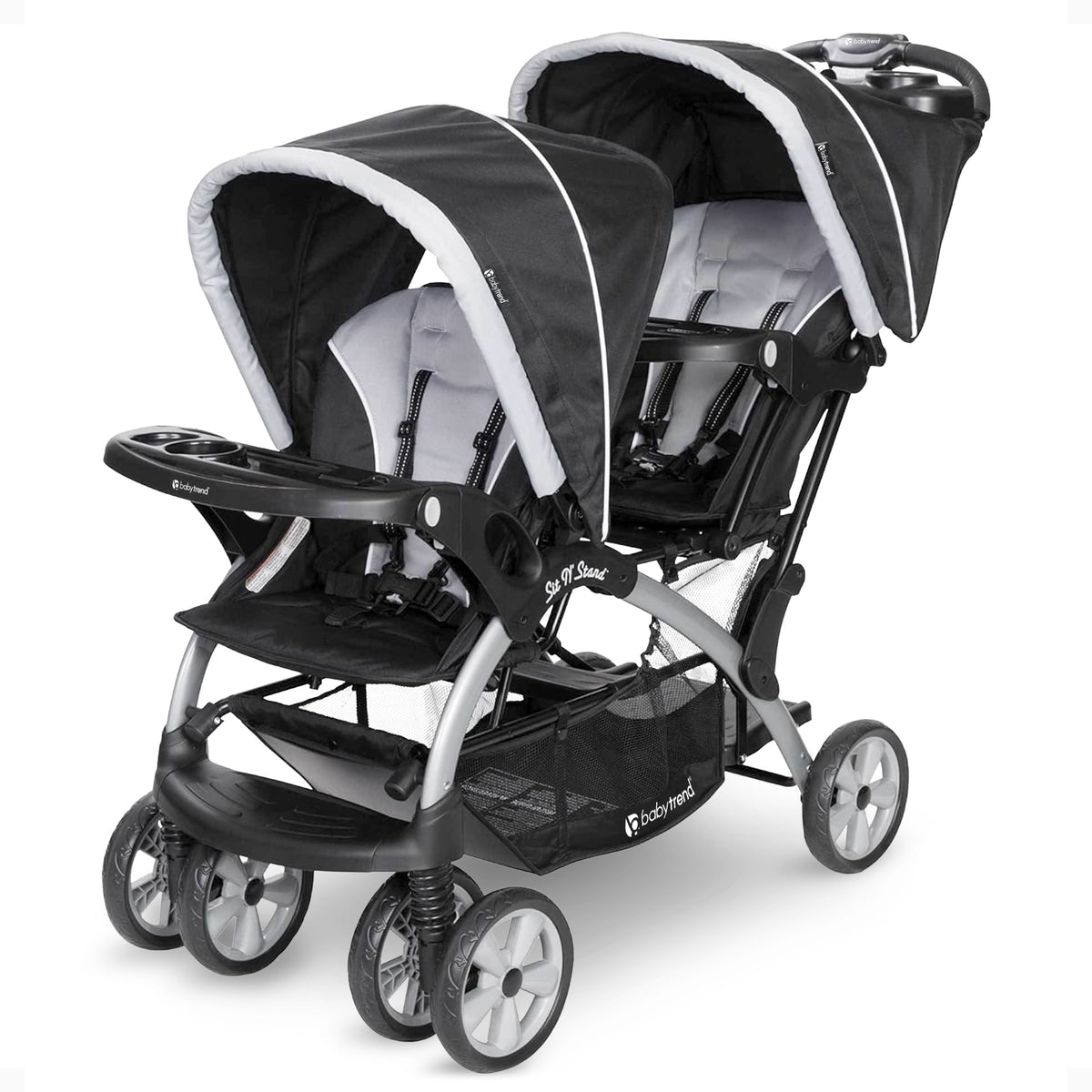
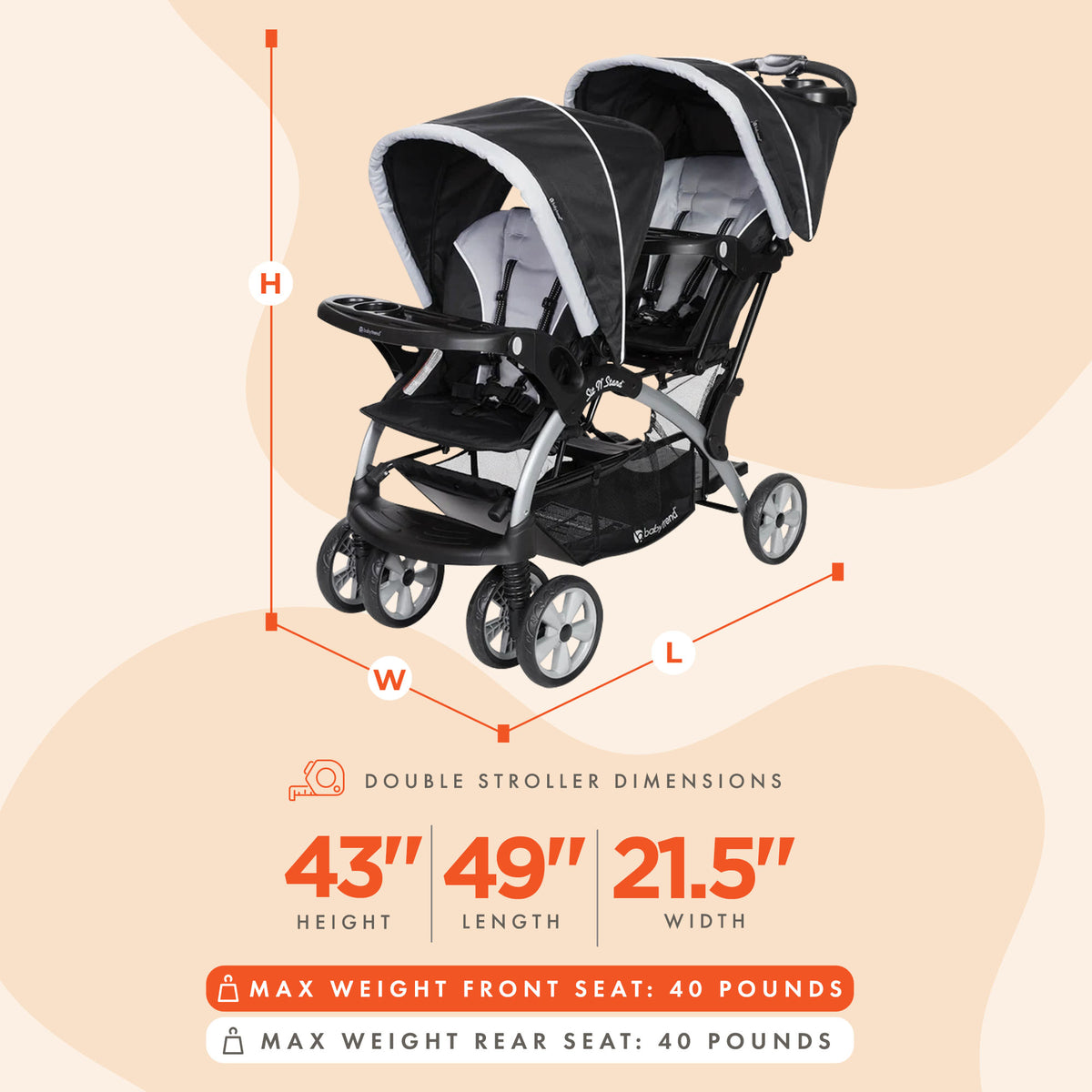
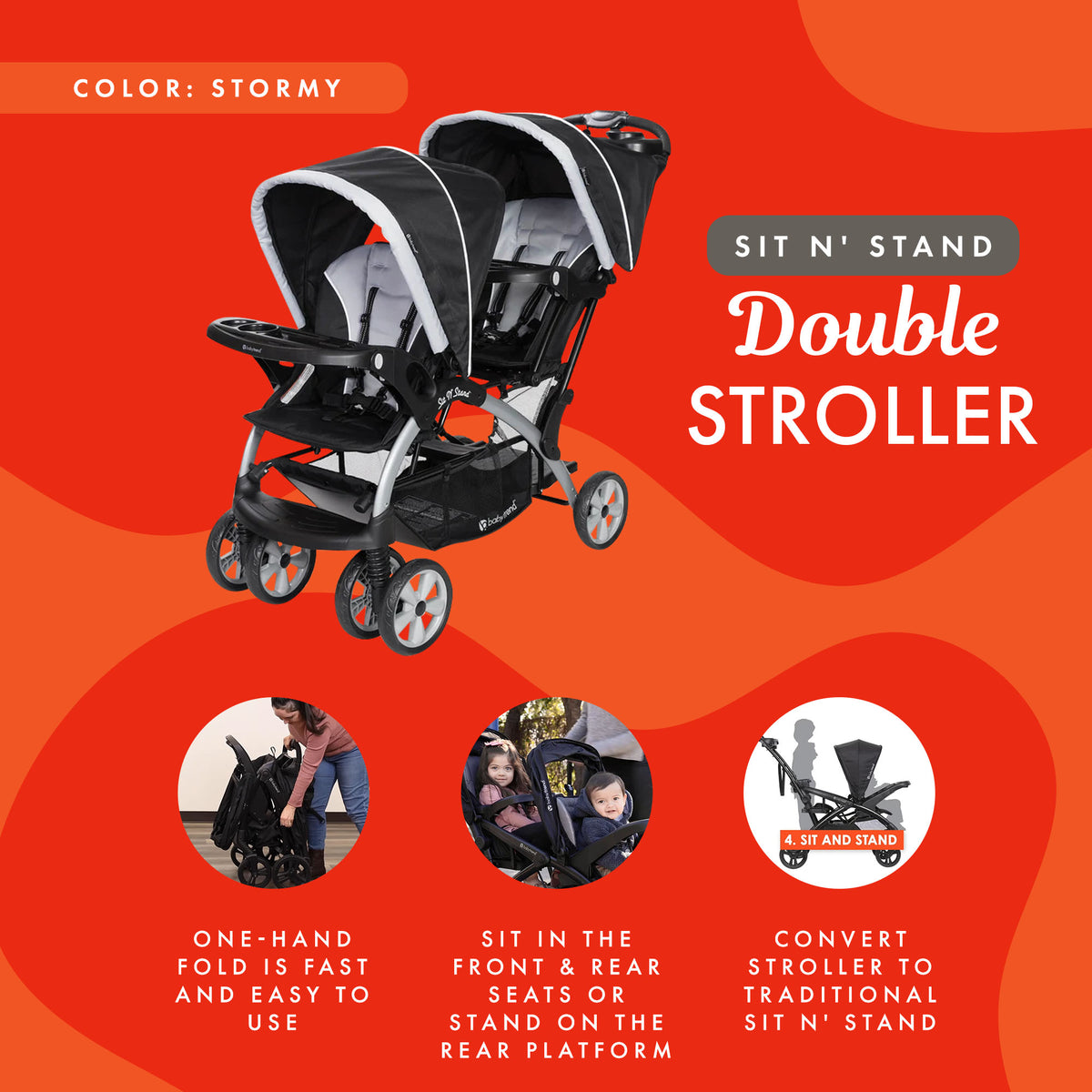
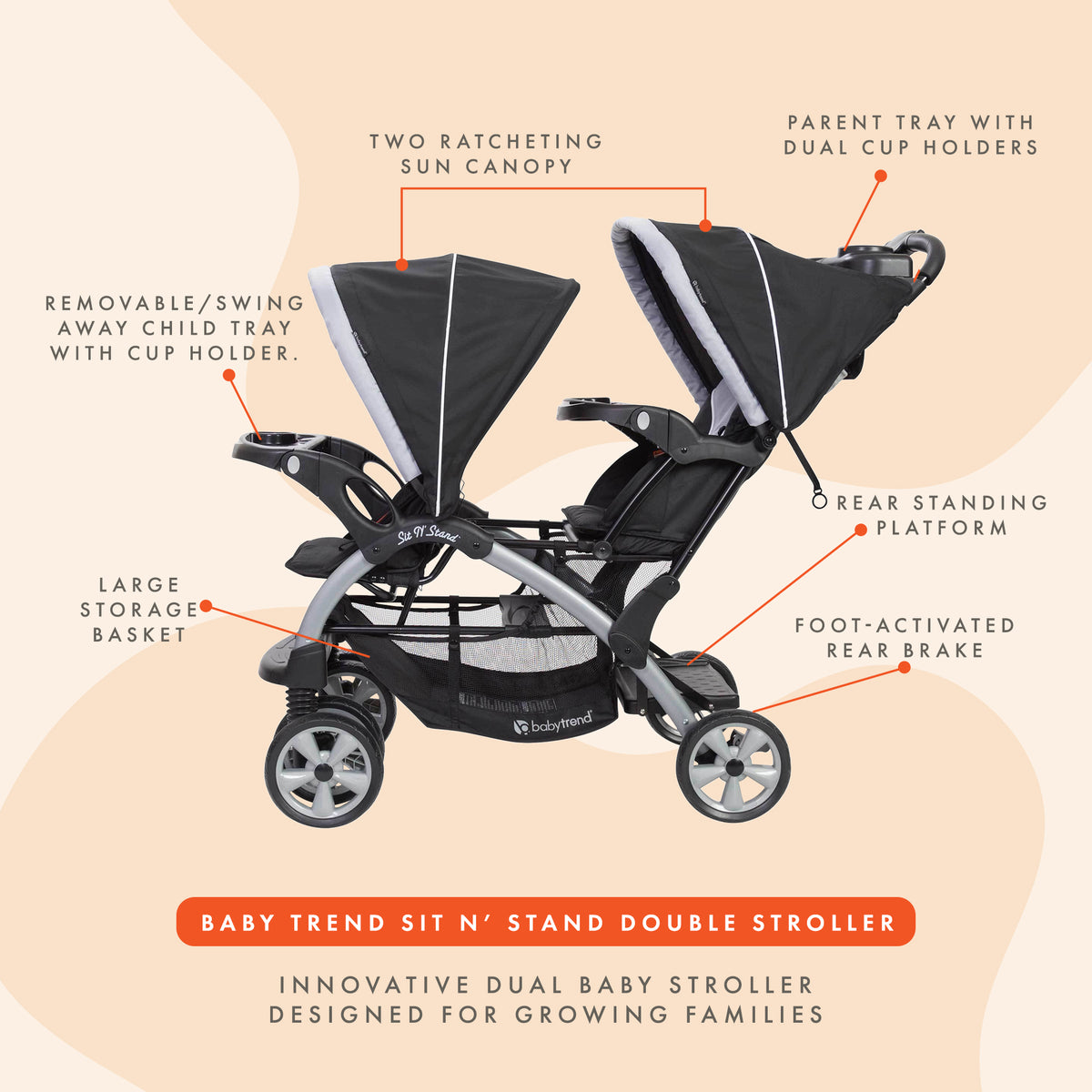
Baby Trend Sit N' Stand Easy Fold Travel Toddler & Baby Double Stroller, Stormy
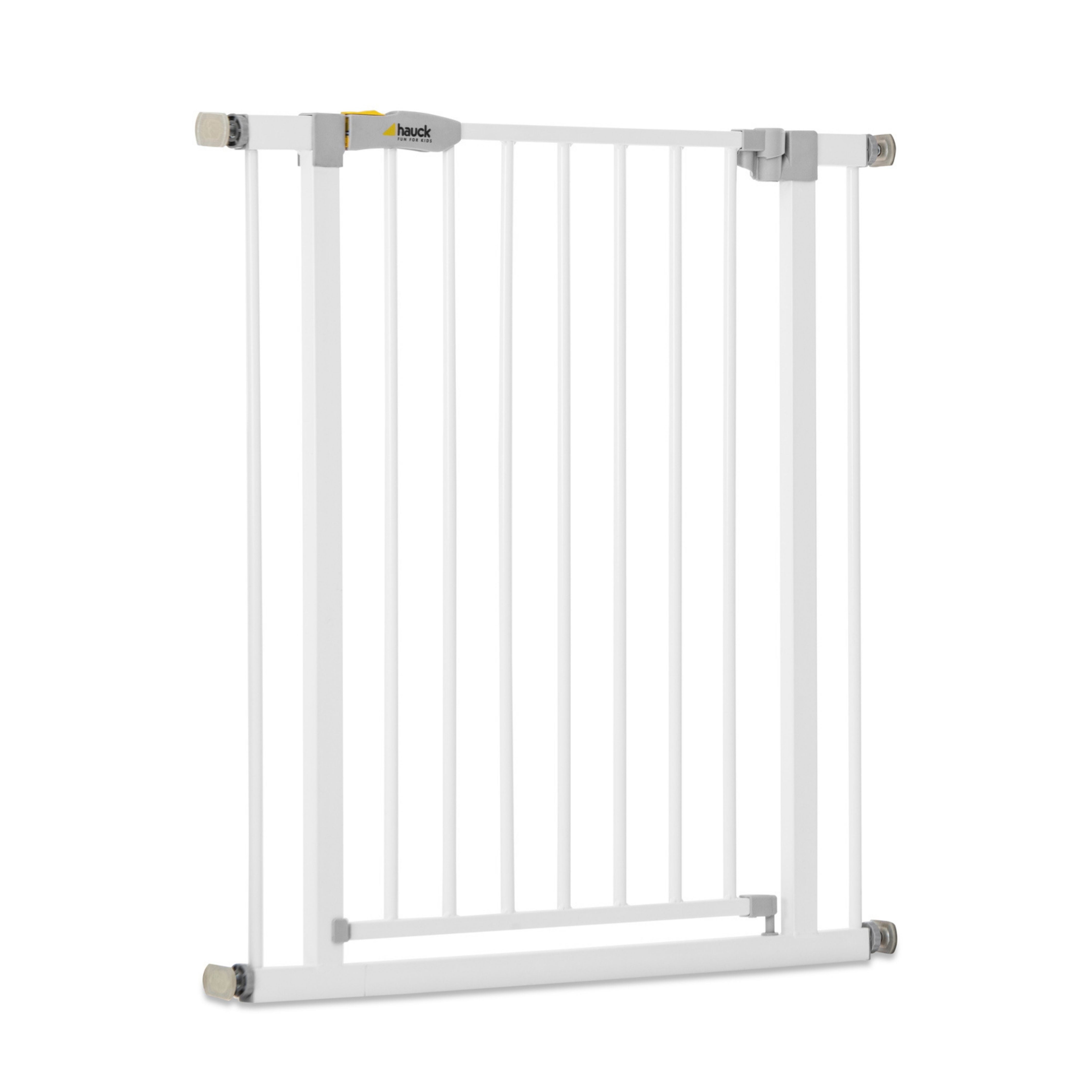
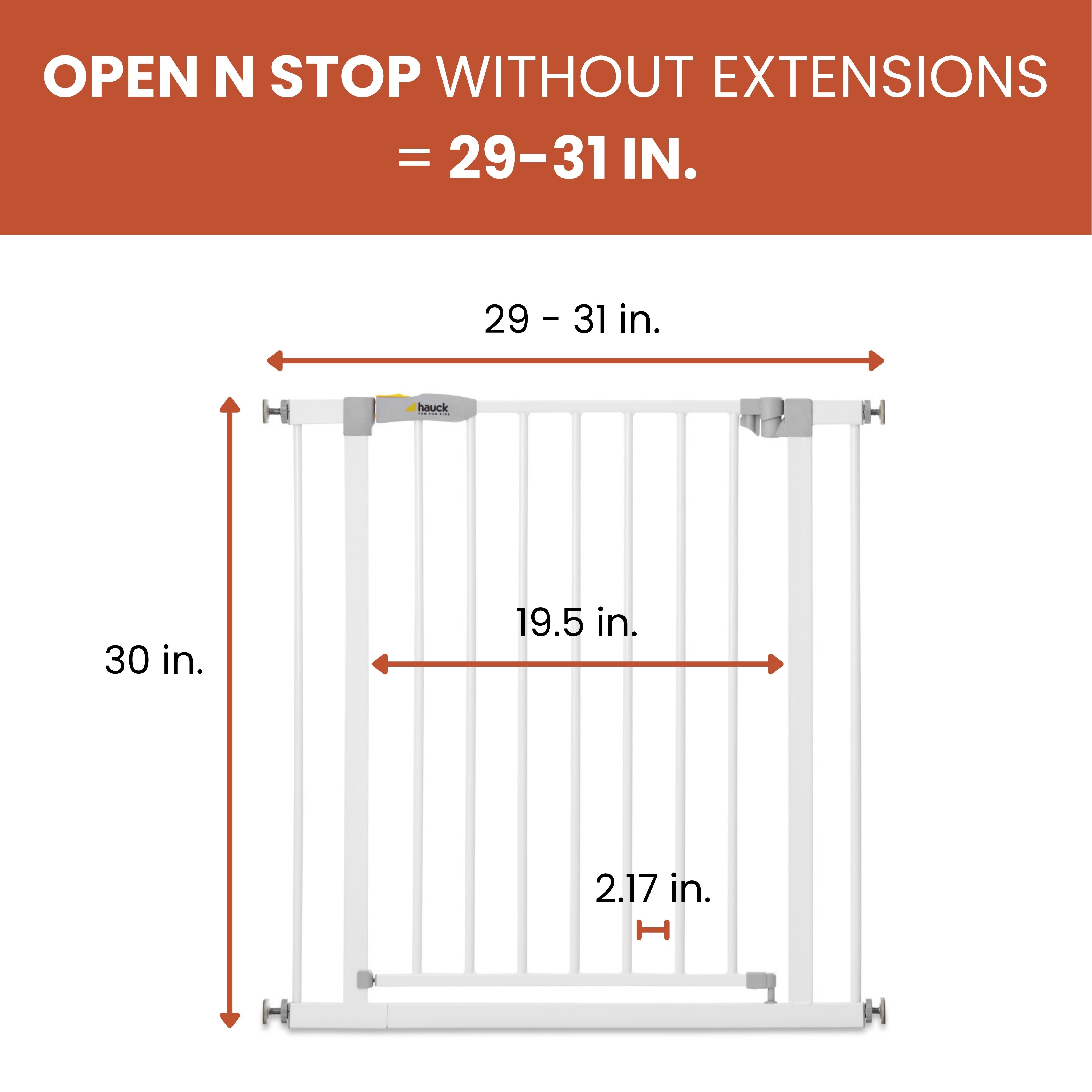
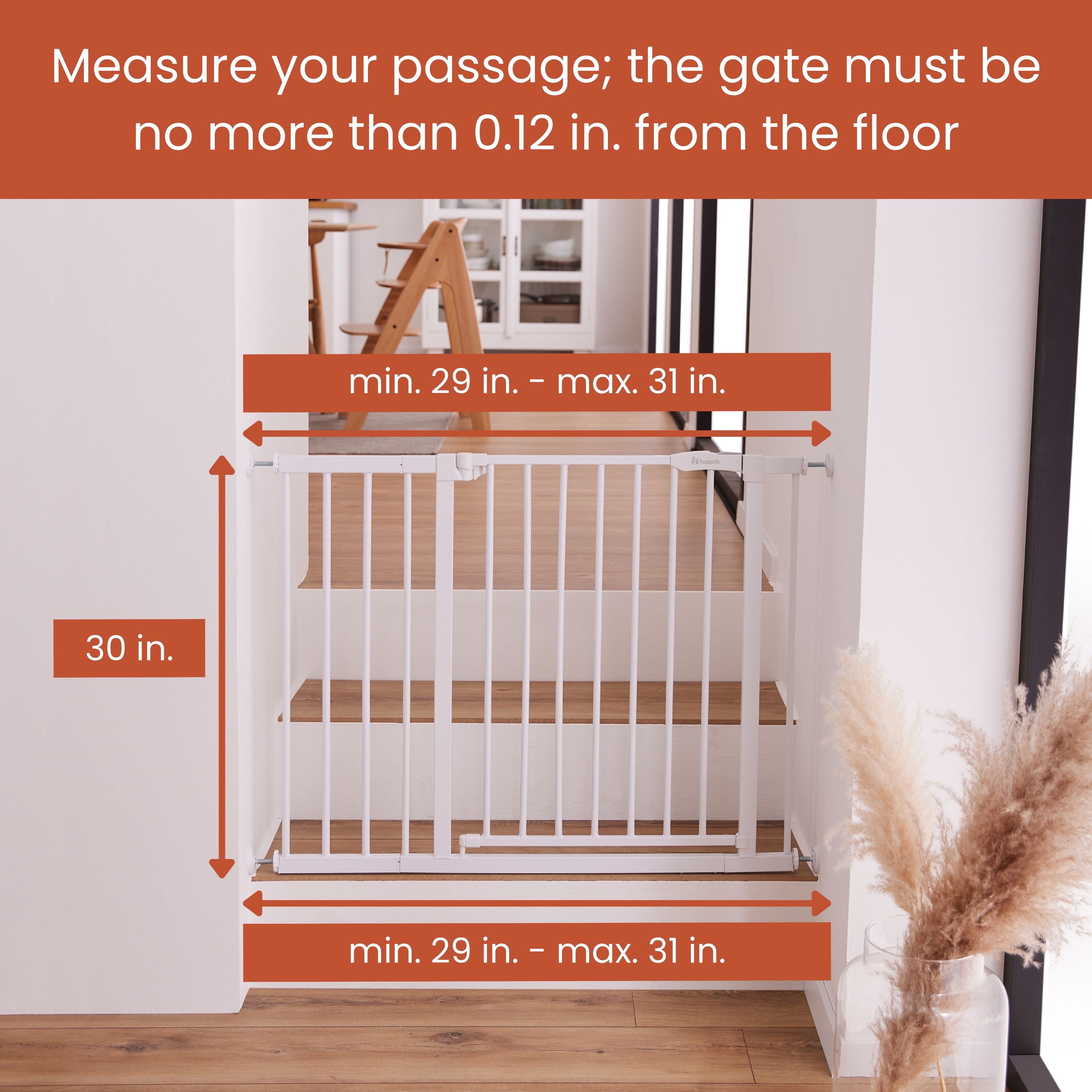
hauck Open N Stop Pressure Fit Baby Safety Gate for Openings 29 to 31", White
BalanceFrom Fitness 36 Tile Thick Interlocking Puzzle Foam Exercise Play Mat
hauck Open N Stop Pressure Mounted Fit Baby Safety Gate w/3.5" Extension, White
BalanceFrom 9 Color Thick Interlocking Puzzle Foam Exercise Play Mats, 36 Sq Ft
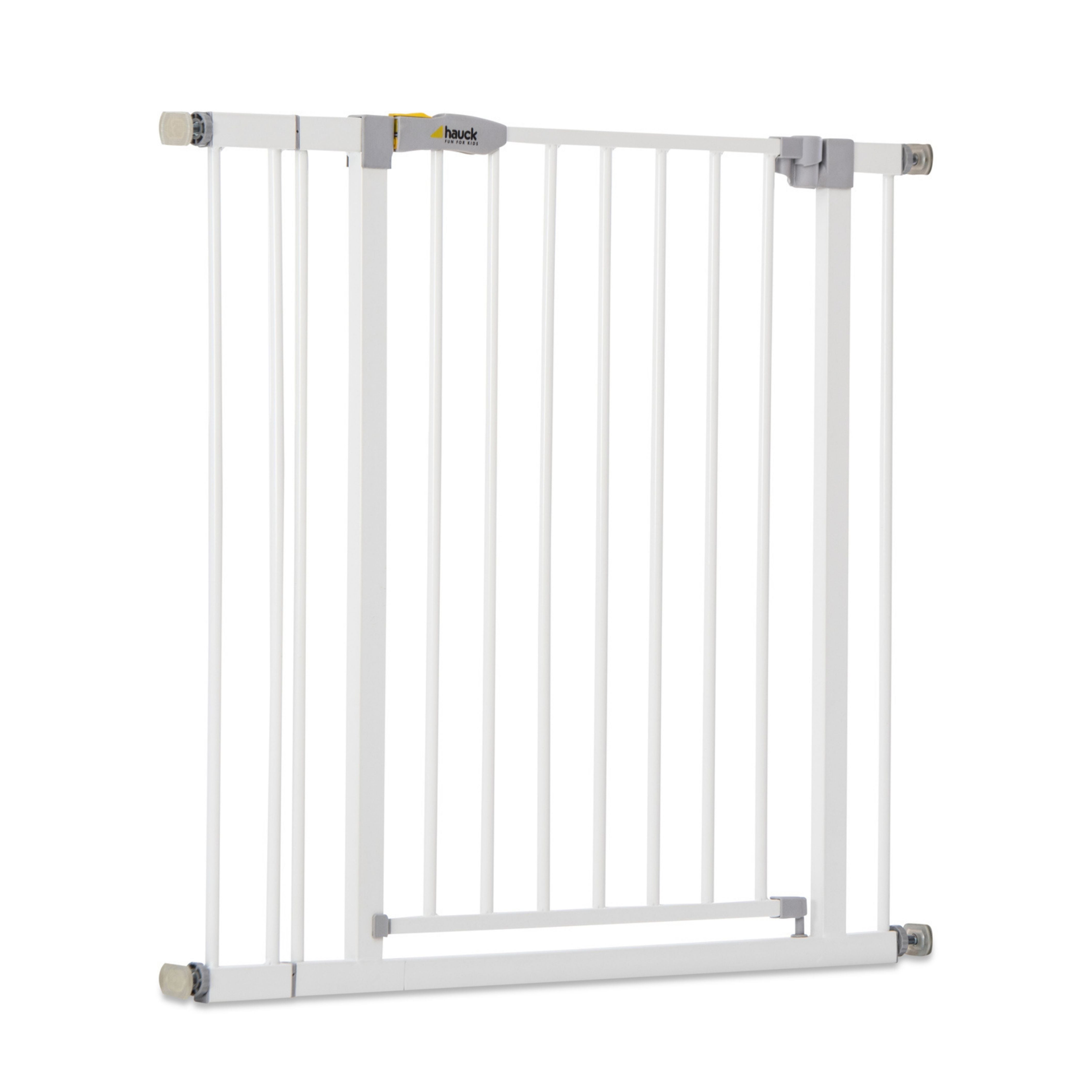
Choosing a Baby Gate for Stairs
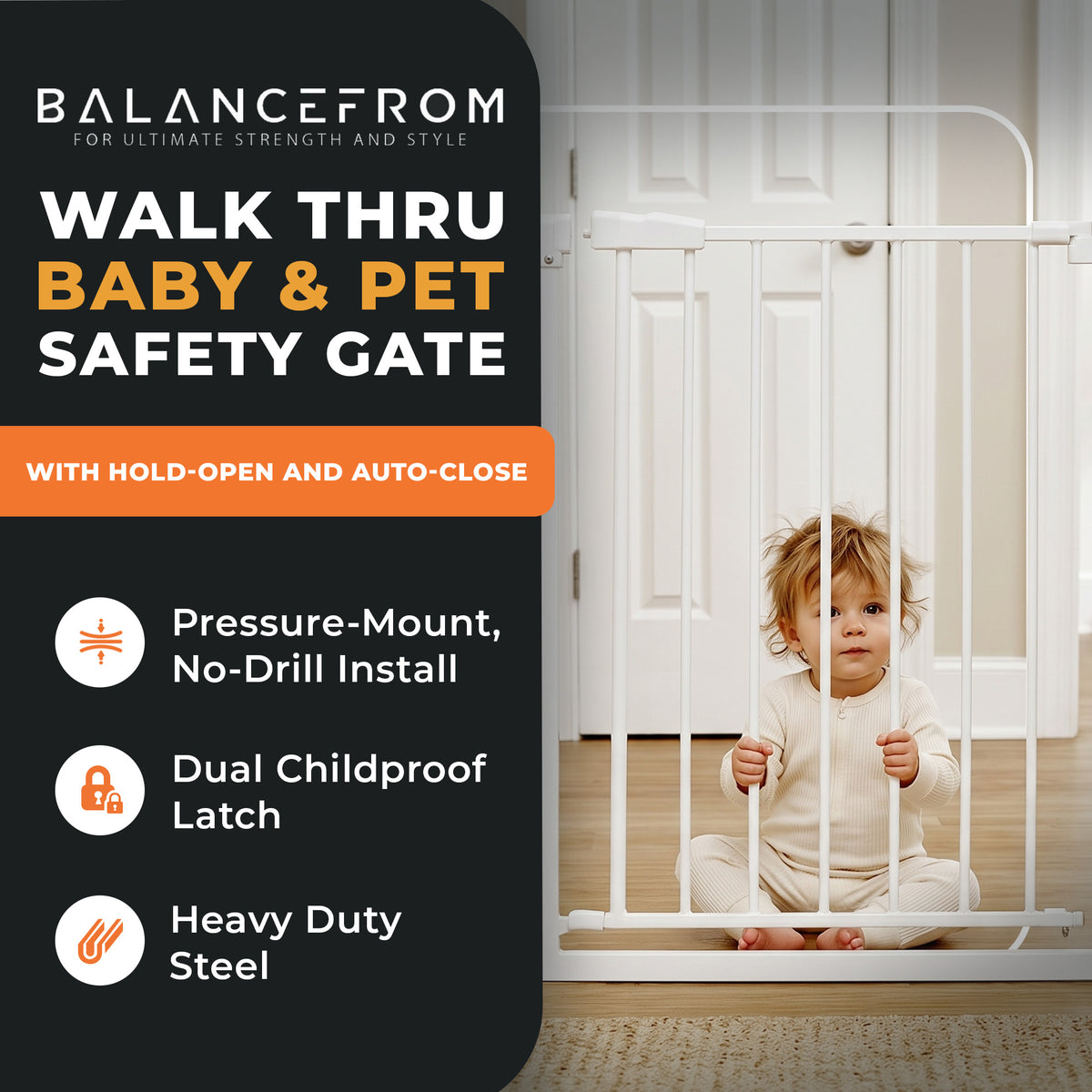
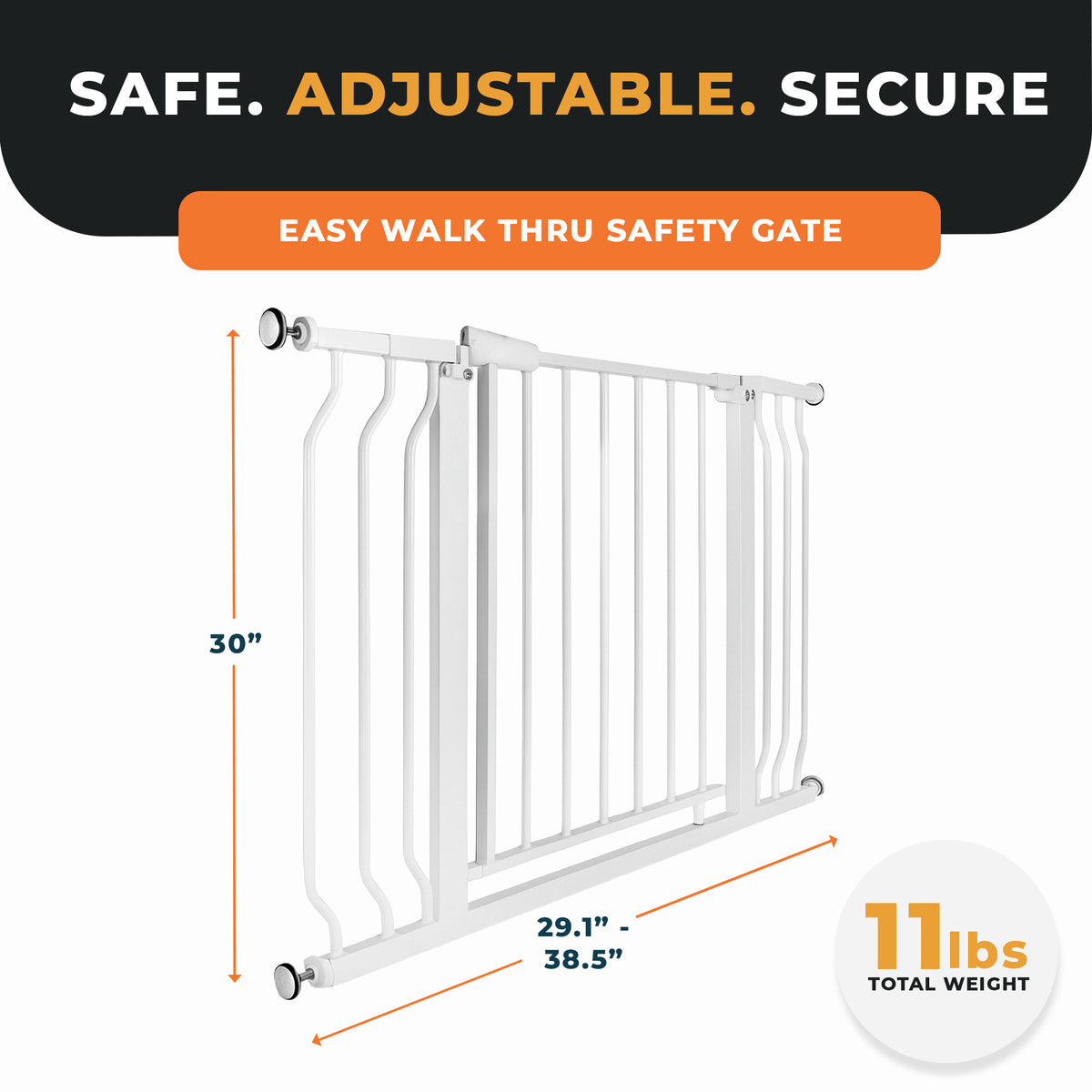
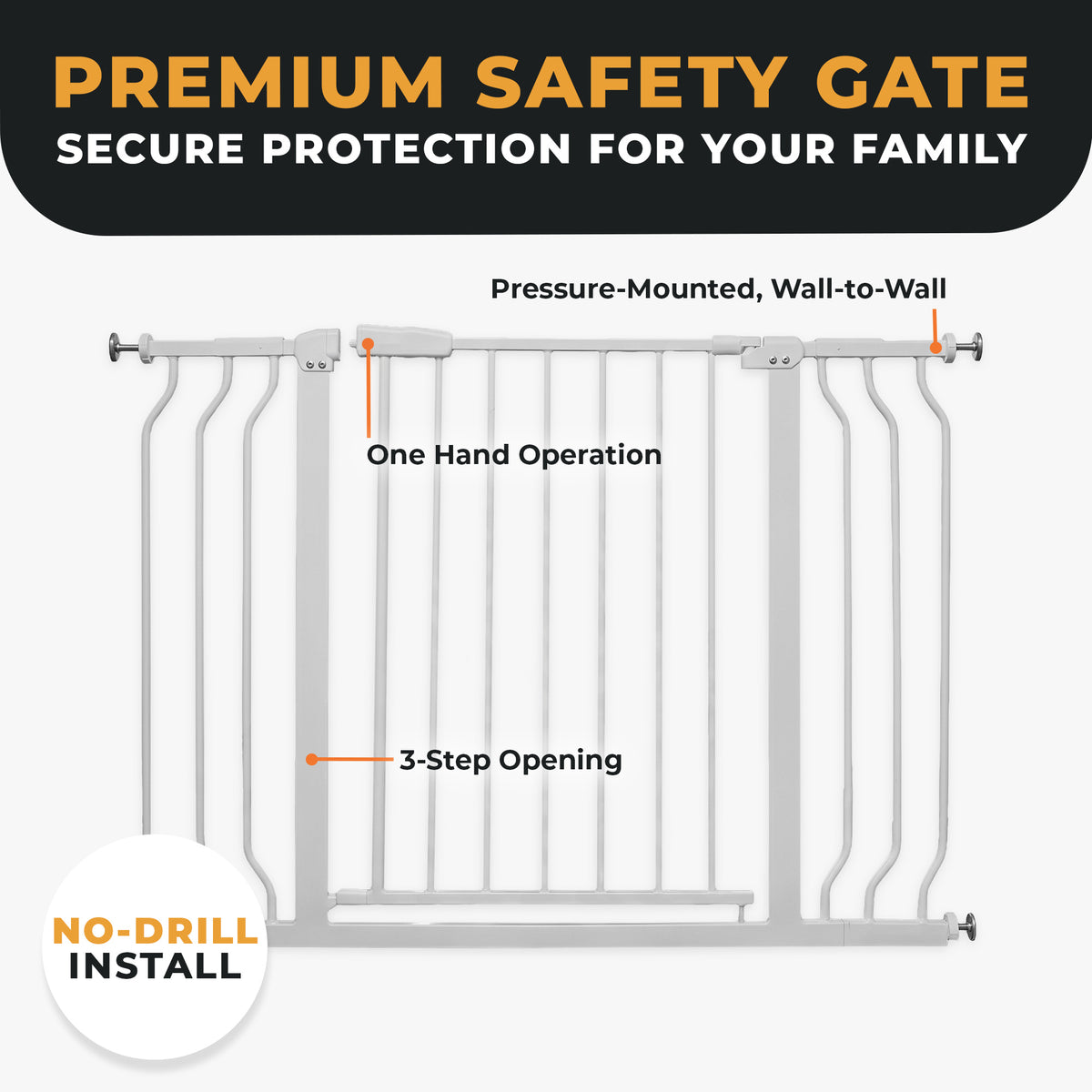
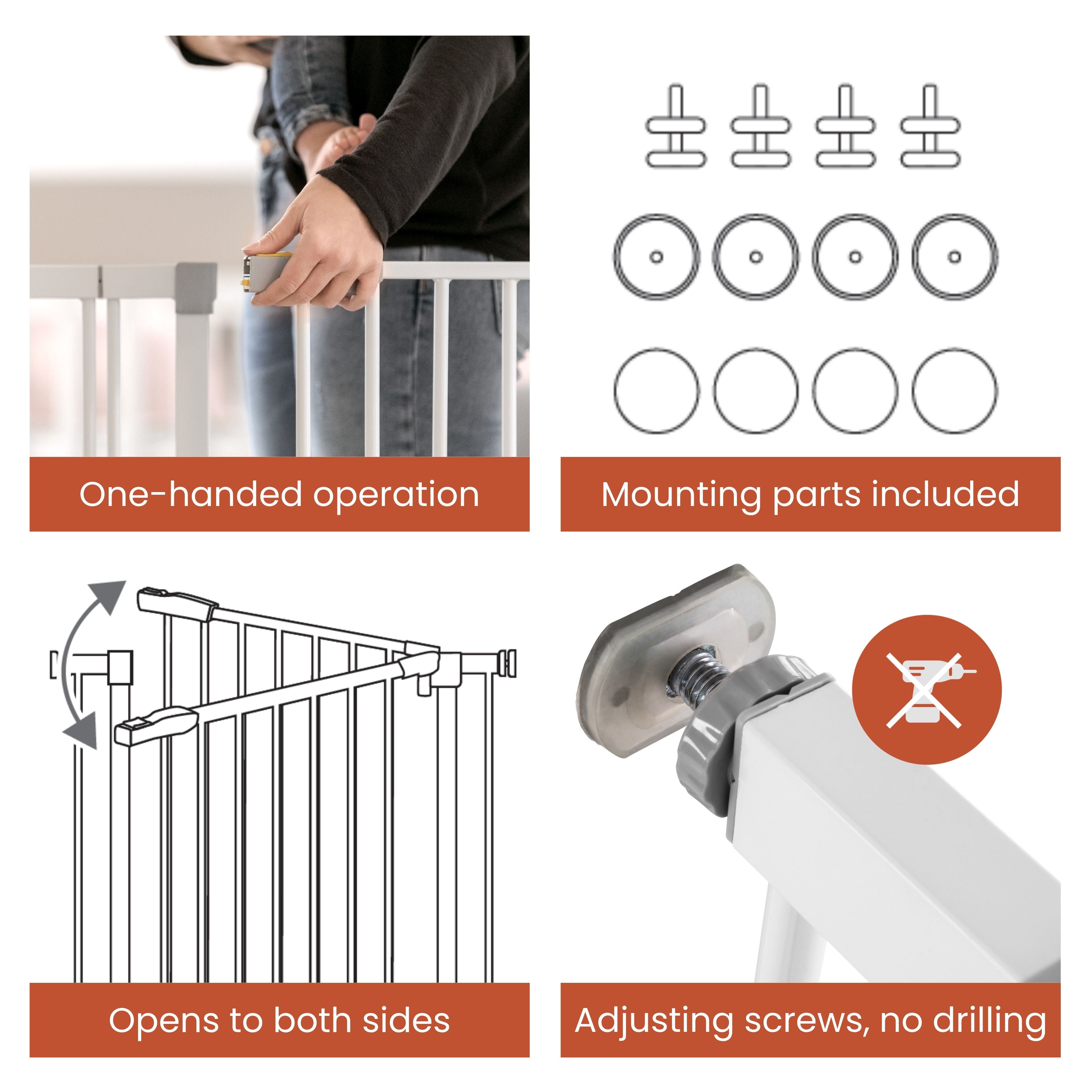
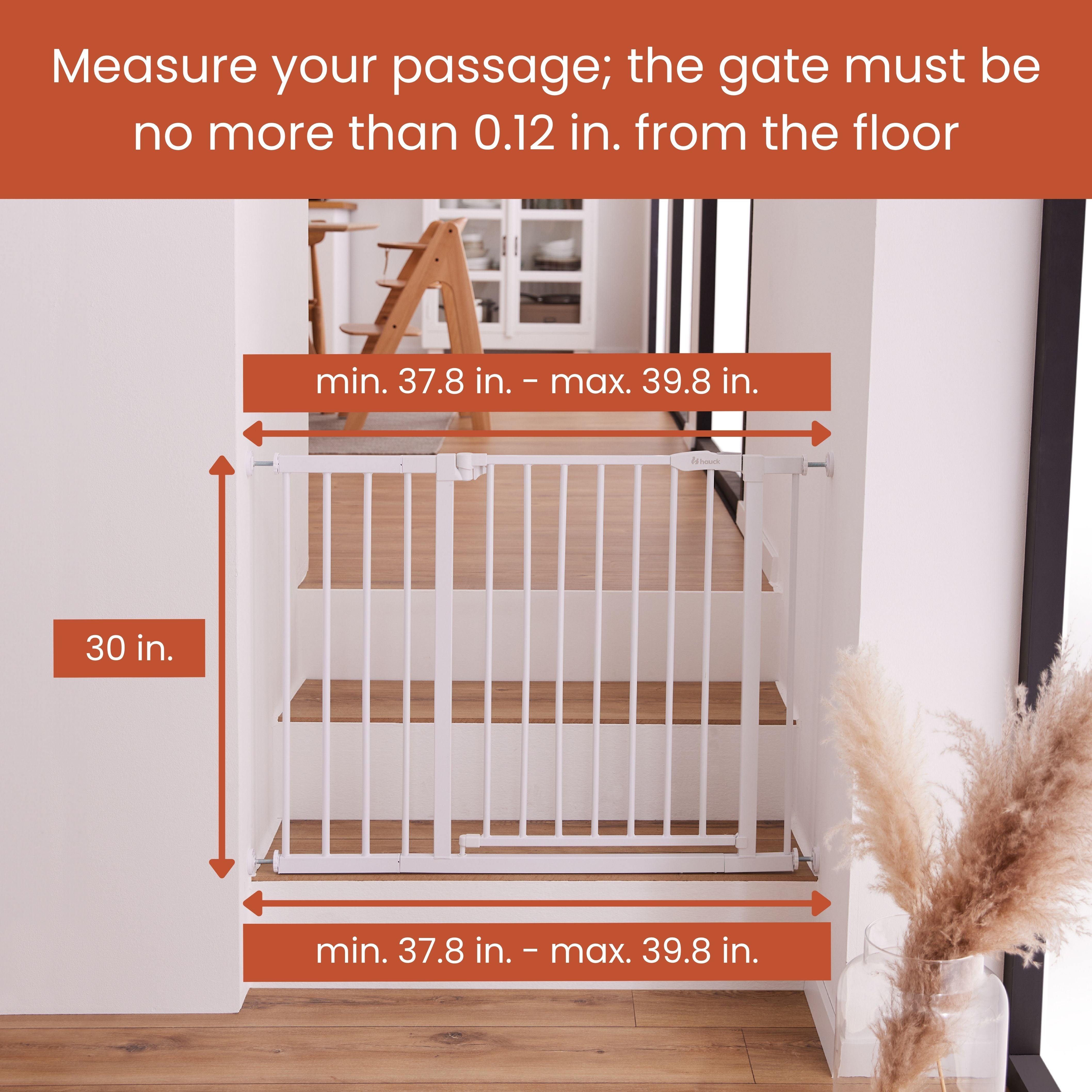
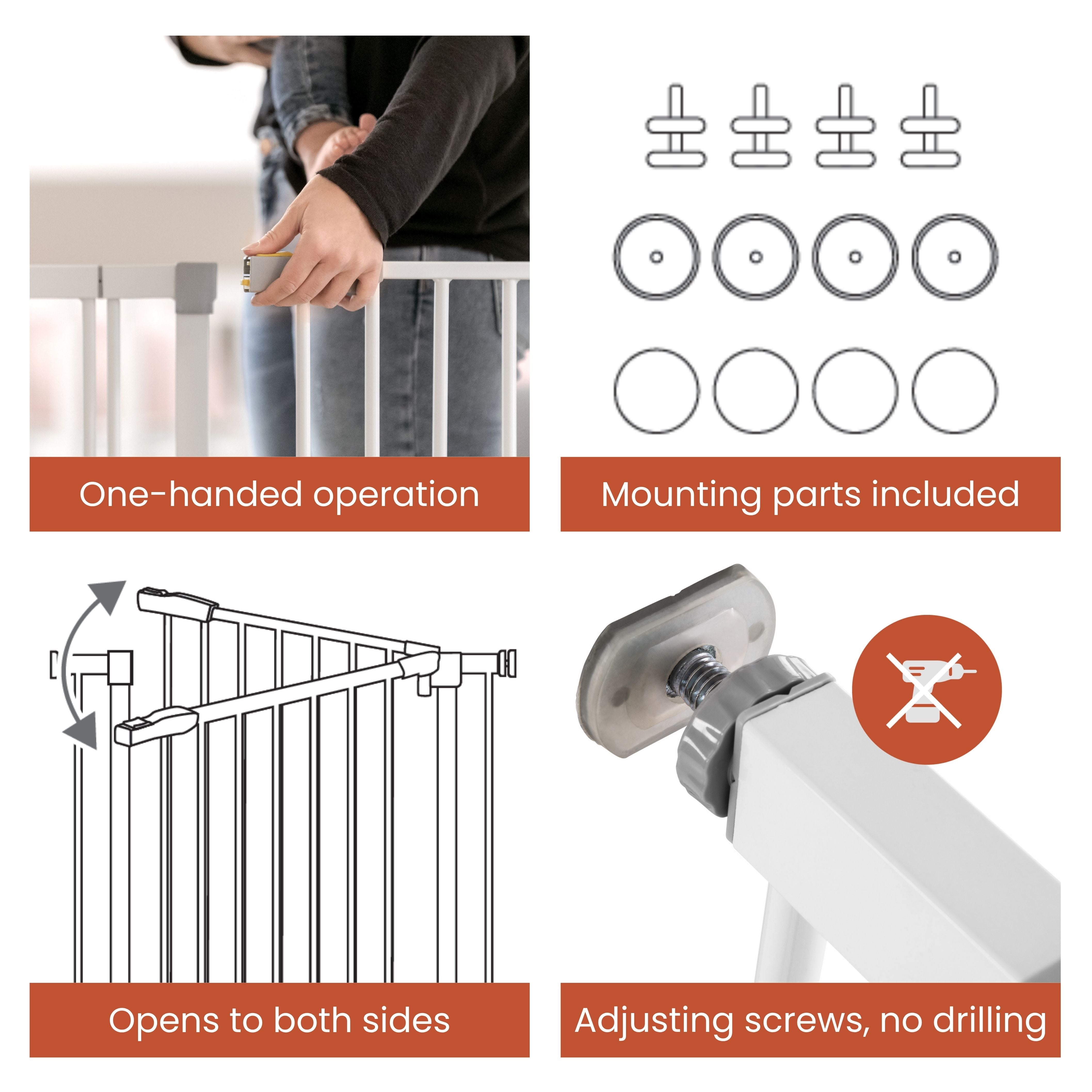
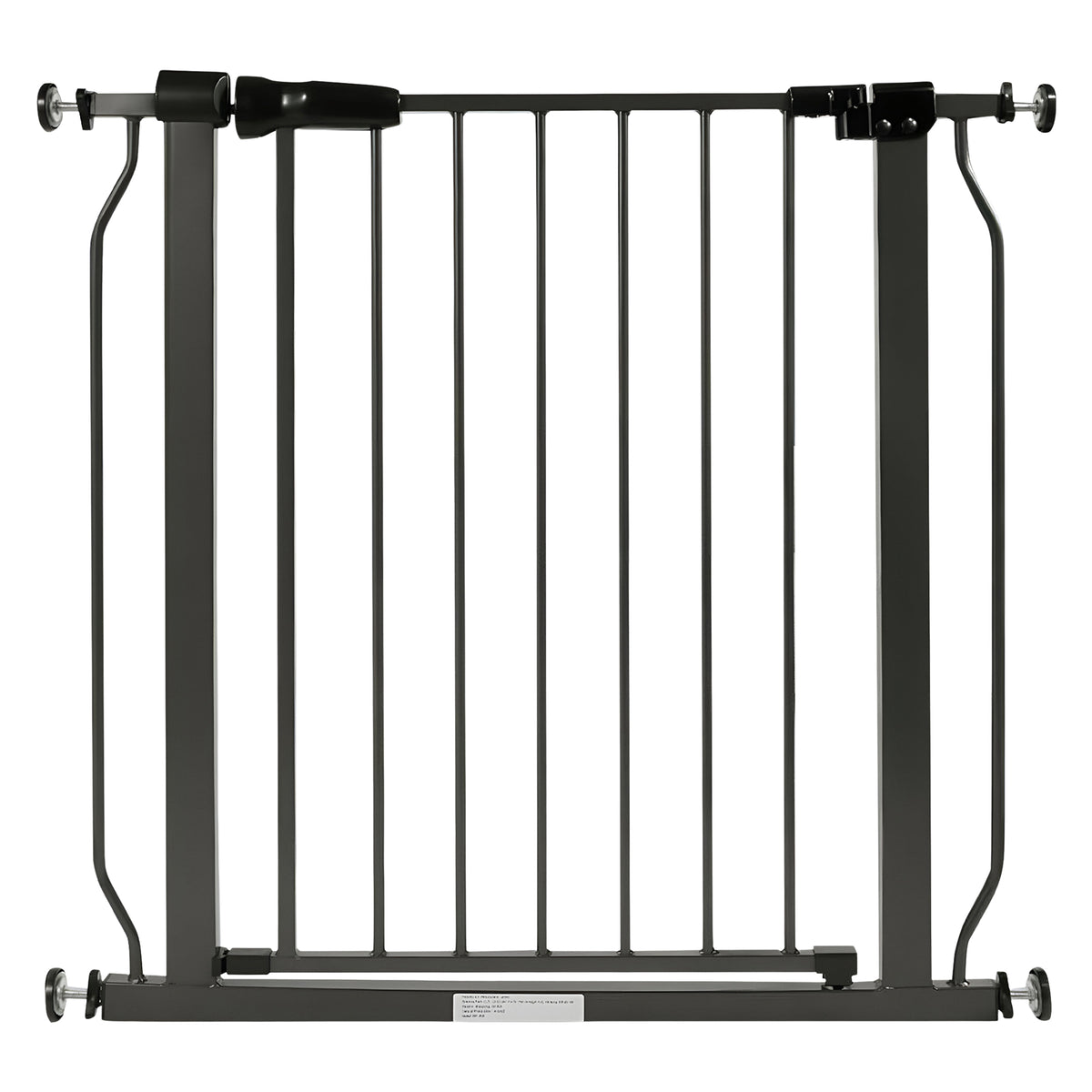
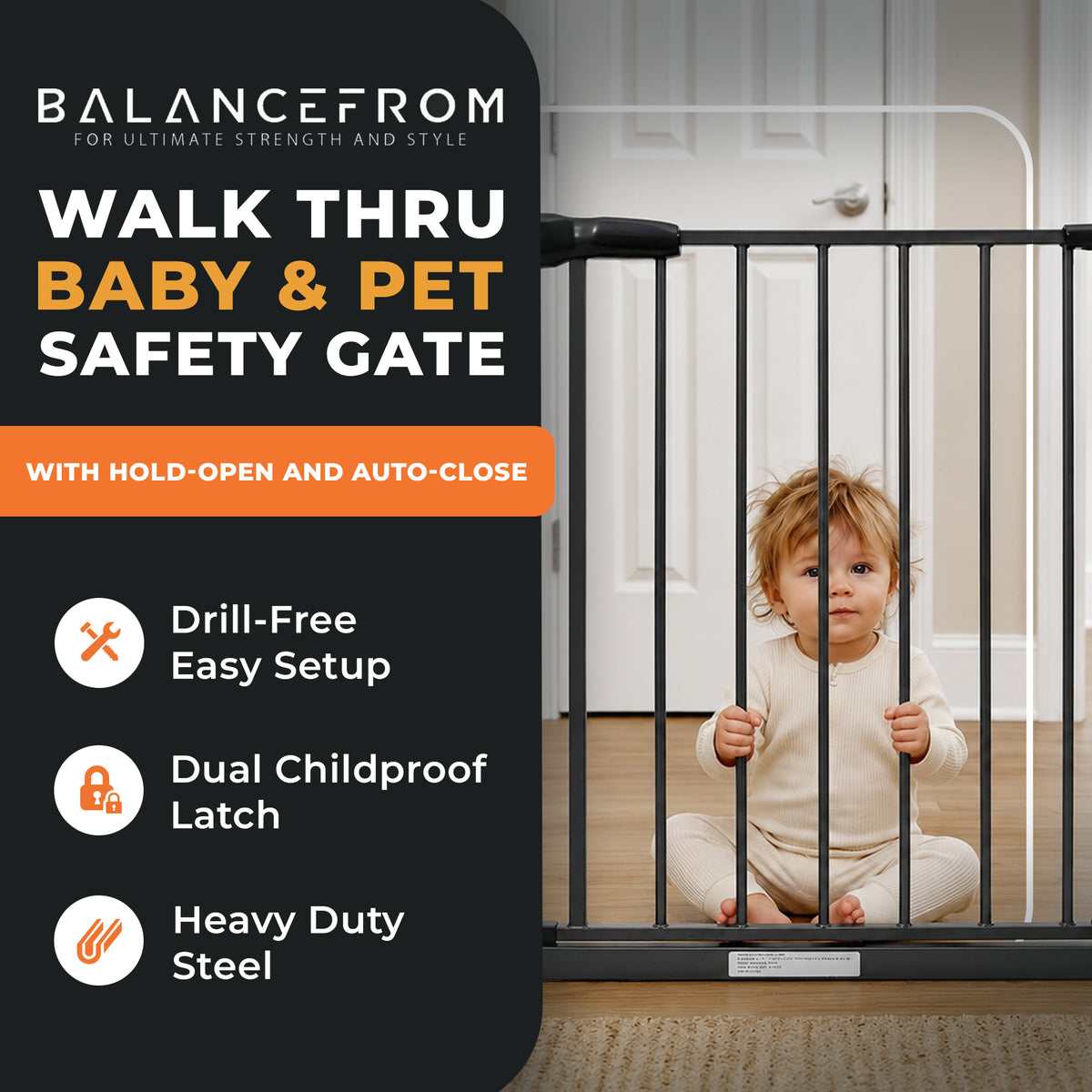
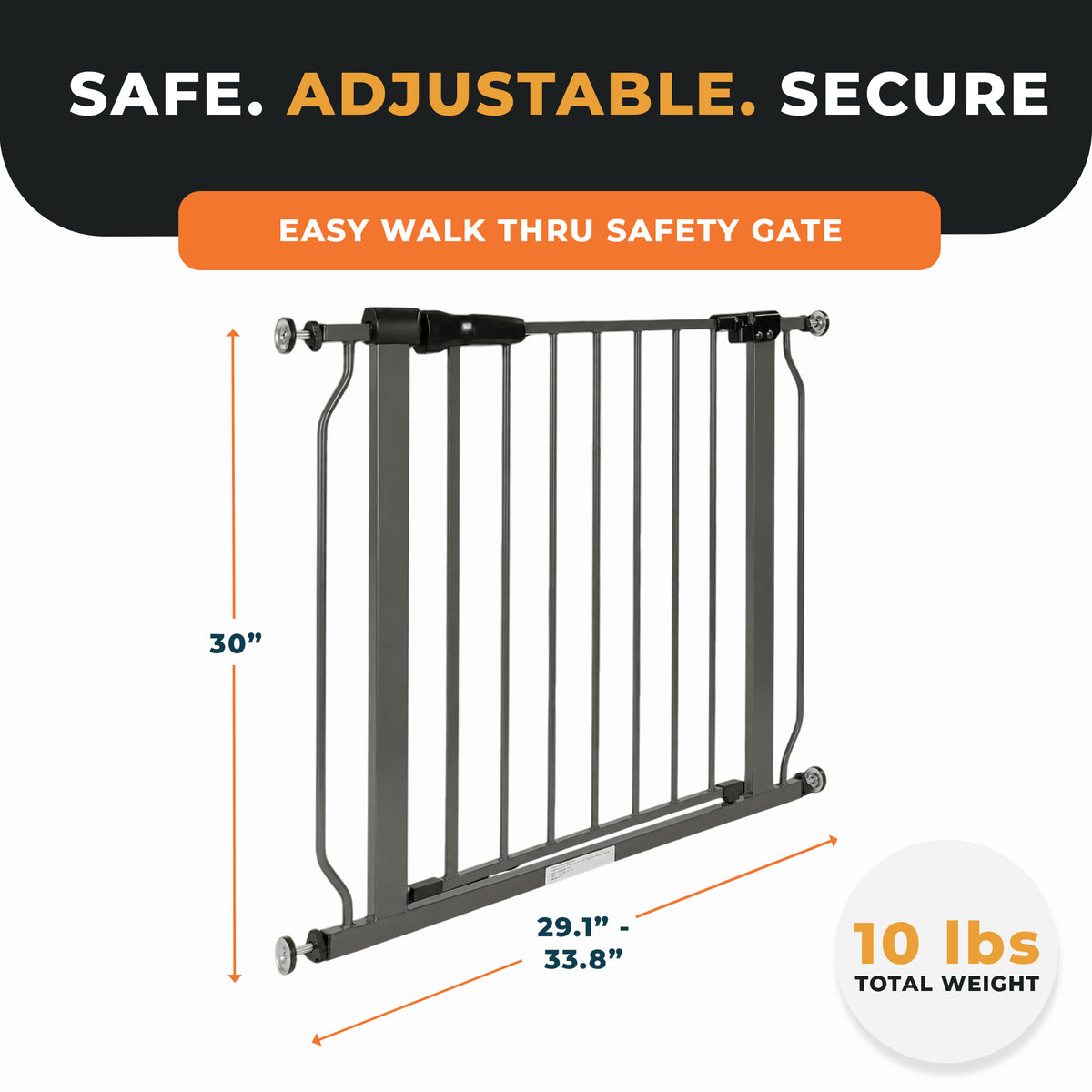
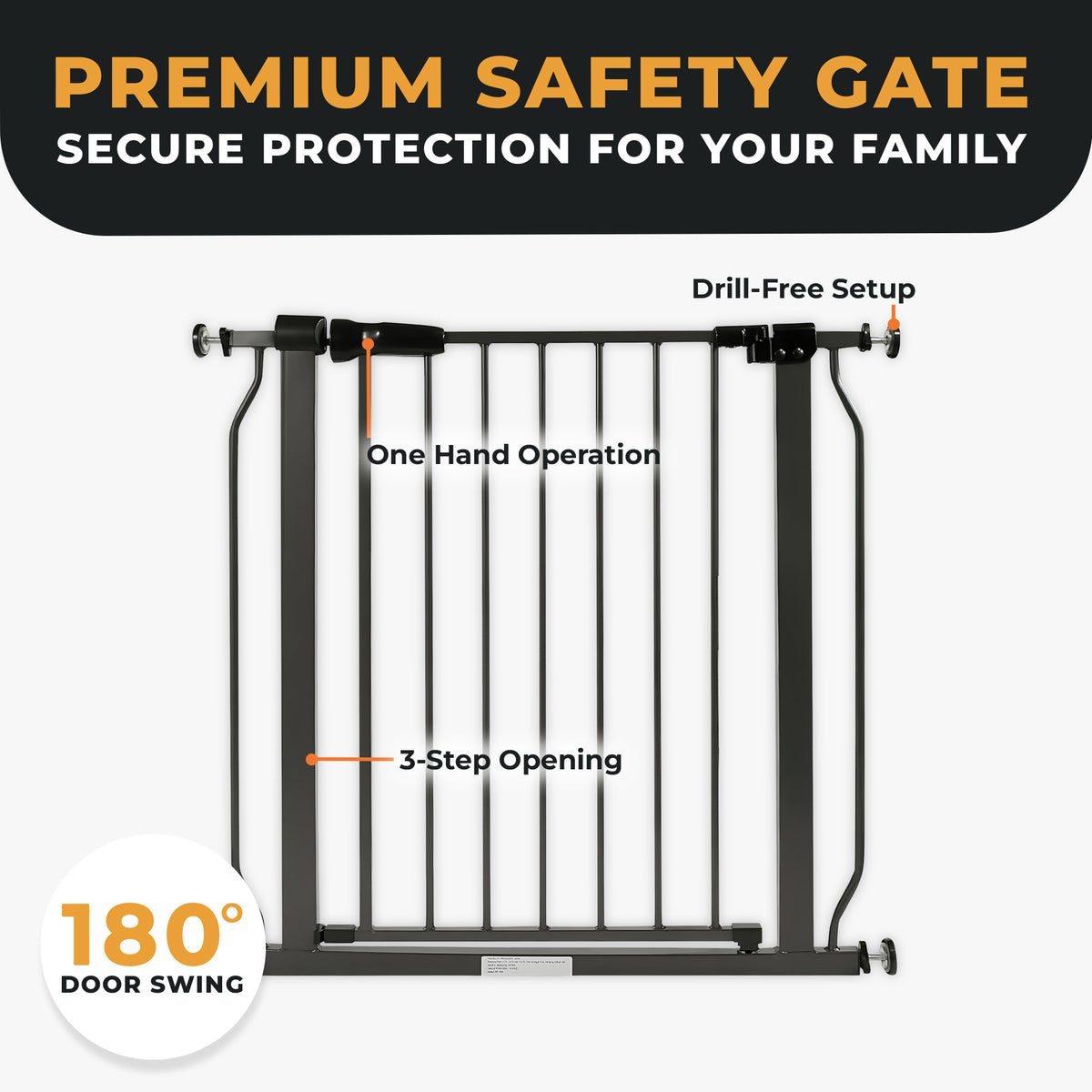
For the top of stairs, always use a hardware-mounted gate (screwed into the wall or banister) rather than a pressure-mounted gate — pressure gates can be pushed loose and aren't safe for stair tops. Pressure-mounted gates are fine for doorways and the bottom of stairs where a fall-through risk is lower. Check gate width against your stairway or doorway opening, and look for gates that meet current safety standards.
Stroller and Car Seat Basics
An infant car seat is rear-facing and typically used from birth to around 22-35 lbs depending on the model, often clicking directly into a matching stroller frame for travel systems. A double stroller makes sense for families with two children close in age, or a newborn and an older toddler who still tires on walks — check fold size against your car trunk before buying.
FAQs
How do I choose a baby gate for the top of stairs?
Use a hardware-mounted gate at the top of stairs — never a pressure-mounted gate, which can be pushed loose. Confirm the gate's width range fits your specific opening before ordering.
When can a baby move from an infant car seat to a convertible seat?
Typically once they exceed the infant seat's height or weight limit (often 30-35 lbs or when their head is within an inch of the shell top), though age recommendations vary by state and seat model.