

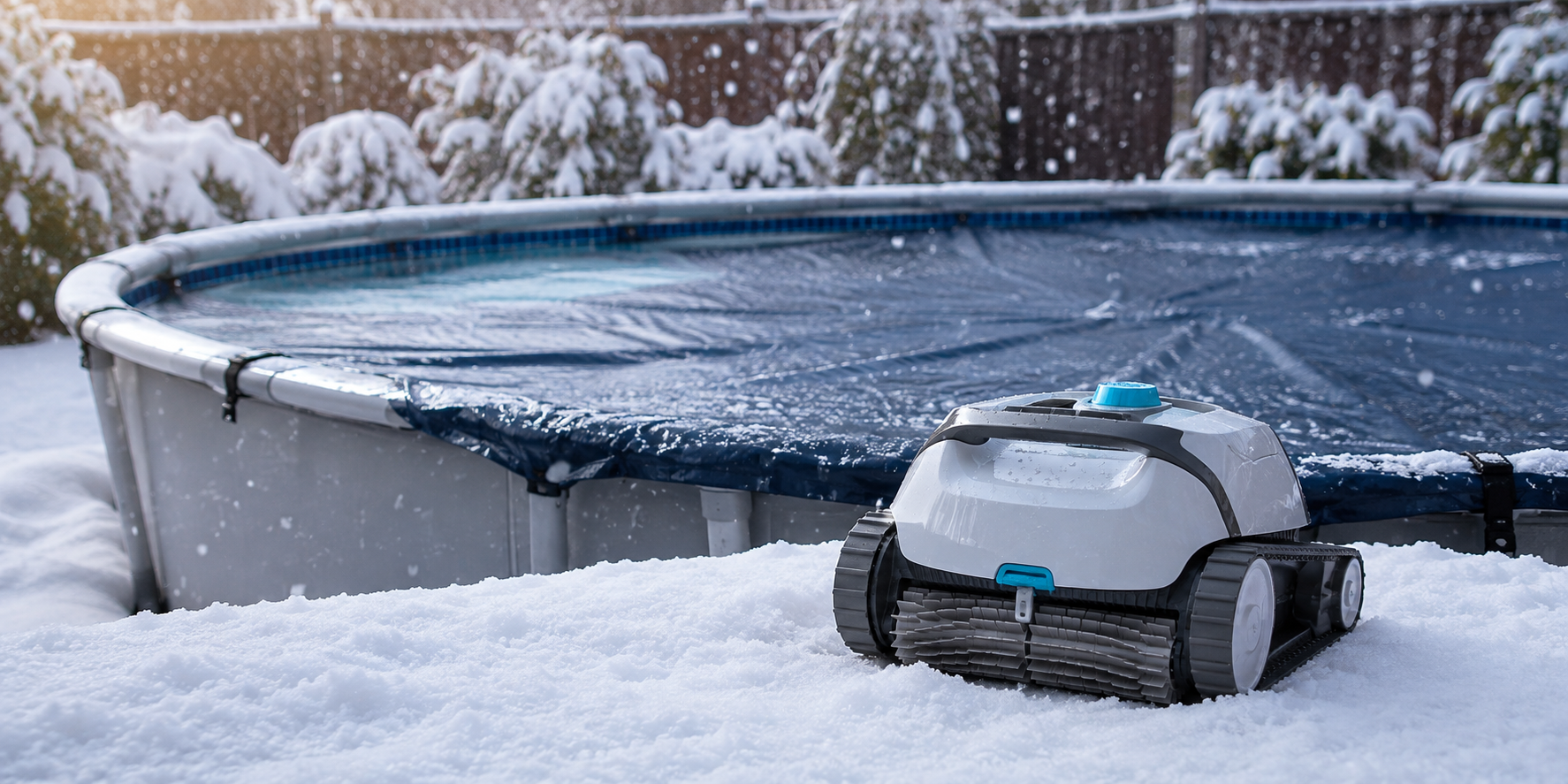
As swimming season comes to an end, properly preparing your pool for colder weather can make reopening it easier when the next season begins.
Learning how to winterize an above ground pool is especially important because above-ground pools have exposed walls, plumbing, liners, and equipment that can be affected by freezing temperatures, debris, and harsh weather.
The good news is that winterizing an above-ground pool doesn't have to be complicated.
In this guide, we'll walk through the key steps, including cleaning the pool, preparing the water, protecting the equipment, and installing a pool cover.
What Does It Mean to Winterize an Above Ground Pool?
Winterizing means preparing your pool for an extended period when it won't be used.
The process generally involves:
-
Cleaning the pool.
-
Balancing the water.
-
Cleaning or preparing the filtration system.
-
Disconnecting or protecting equipment as appropriate.
-
Lowering the water level if required by your pool manufacturer's instructions.
-
Protecting the pool liner.
-
Installing a suitable pool cover.
-
Checking the pool periodically throughout winter.
The exact process can vary depending on your pool type, climate, equipment, and manufacturer's instructions.
Step 1: Clean the Pool Thoroughly
Start by removing leaves, dirt, insects, and other debris from the pool.
Use a skimmer to clean the water surface and a suitable pool vacuum to clean the bottom.
Cleaning before closing the pool is important because debris left in the water can create additional maintenance problems while the pool is covered.
If you use an automatic cleaner, run it through the pool before beginning the winterization process.
For example, the Kokido Magna X Cordless Robotic Pool Vacuum is designed to remove debris from compatible flat-bottom above-ground pools and can operate for up to 90 minutes per charge.
Step 2: Balance the Pool Water
Before closing the pool, test and balance the water according to your pool manufacturer's or water-care product instructions.
Balanced water can help protect the pool and equipment during the off-season.
Pay attention to:
-
pH
-
Alkalinity
-
Sanitizer levels
-
Calcium hardness, where applicable
The appropriate ranges can vary depending on your pool and the products you use, so follow the manufacturer's recommendations.
Step 3: Clean the Filter and Pump
Your filtration system should also be prepared for the off-season.
Clean the filter according to the manufacturer's instructions. If you use a cartridge filter, remove and clean the cartridge as appropriate. If you use a sand filter, follow the manufacturer's winterization procedure.
Don't forget to inspect hoses, fittings, connections, and other equipment for damage.
Step 4: Protect the Pool Liner
The pool liner is one of the most important components of an above-ground pool.
Avoid dragging sharp objects across the pool floor or allowing debris to remain in the water for extended periods.
Before covering the pool, inspect the liner for visible damage or areas that may require attention.
For above-ground pools with vinyl liners, maintaining the correct water chemistry and protecting the pool from physical damage can help extend the life of the liner.
Step 5: Prepare the Pool for Freezing Weather
If temperatures in your area regularly fall below freezing, pay particular attention to the pool's plumbing and filtration equipment.
Water expands when it freezes, which can create pressure inside plumbing components.
Follow your pool and equipment manufacturer's specific winterization instructions for draining, disconnecting, or protecting hoses, pumps, filters, and other components.
Important: Winterization requirements vary between pool models. Do not automatically drain your pool completely or lower the water level without checking the manufacturer's instructions. Some above-ground pools rely on the water for structural support.
Step 6: Install a Pool Cover
A pool cover is an important part of closing an above-ground pool.
A properly fitted cover helps reduce the amount of leaves, dirt, insects, and other debris entering the water while the pool is not being used.
VMInnovations offers pool products that include covers, such as the Intex 10-Foot Pool Set with Pool Cover. The included cover is designed to fit securely around a 10-foot pool and help keep debris out when the pool is not in use.
When selecting a cover, make sure it is designed for your pool's size and type.
Step 7: Secure the Pool Cover
Don't simply place the cover over the pool and leave it unsecured.
Wind, rain, snow, and debris can move an improperly secured cover.
Use the appropriate clips, cables, straps, or other securing equipment recommended for your specific pool and cover.
The goal is to keep the cover positioned correctly throughout the off-season without placing unnecessary stress on the pool walls or liner.
Step 8: Check the Pool During Winter
Winterization doesn't necessarily mean you can forget about the pool until spring.
Check the pool periodically for:
-
Damaged or displaced cover
-
Excess water or debris on the cover
-
Tears or damage to the cover
-
Visible liner problems
-
Ice or freezing conditions
-
Damage to exposed equipment
Remove accumulated debris from the cover using equipment designed for that purpose rather than allowing excessive weight to build up.
Should You Drain an Above Ground Pool for Winter?
Usually, you should not completely drain an above-ground pool unless the manufacturer specifically recommends it.
The water inside an above-ground pool can provide structural support to the walls and liner.
Instead, follow the winterization instructions supplied with your specific pool model.
Some pools may require the water level to be lowered, while others may recommend maintaining a particular level.
Should You Remove the Pool Liner?
No. The pool liner generally remains installed during winterization.
The better approach is to clean and inspect the liner, maintain appropriate water conditions, and protect the pool with a properly fitted cover.
If the liner is damaged, address the issue according to the pool manufacturer's repair or replacement recommendations before closing the pool.
Above-Ground Pool Winterization Checklist
Before closing
-
Clean the pool thoroughly.
-
Remove leaves and debris.
-
Vacuum the pool floor.
-
Test and balance the water.
-
Clean the filter.
-
Inspect the pump and connections.
-
Check the pool liner.
-
Follow your manufacturer's winterization instructions.
After closing
-
Install the correct pool cover.
-
Secure the cover properly.
-
Protect exposed equipment.
-
Check the cover periodically.
-
Remove excessive debris or water from the cover.
-
Inspect the pool after severe weather.
When Should You Winterize an Above Ground Pool?
The ideal timing depends on your local climate.
A good rule is to close the pool after swimming season has ended and before prolonged freezing conditions arrive.
Don't rely solely on the calendar. Monitor local temperatures and follow the recommendations for your specific pool and equipment.
How to Make Spring Pool Opening Easier
Proper winterization can make opening your pool easier.
Before closing, take time to thoroughly clean the pool and equipment, inspect the liner, and secure the cover properly.
When spring arrives, remove the cover carefully, clean the pool, inspect the equipment, refill or adjust the water level as needed, and restart the filtration system according to the manufacturer's instructions.
Final Thoughts
Knowing how to winterize an above ground pool is an important part of responsible pool maintenance.
The basic process is straightforward: clean the pool, balance the water, prepare the filtration equipment, protect the pool liner, install a suitable pool cover, and regularly inspect the pool throughout winter.
Most importantly, always follow the winterization instructions provided by your pool and equipment manufacturers. Pool construction, liners, pumps, filters, and winter conditions vary, so the correct procedure for one pool may not be appropriate for another.
Looking for pool maintenance equipment before closing your pool? Browse VMInnovations' pool and outdoor products for pool cleaners, covers, maintenance equipment, and related products.
Share:
Best Pool Cleaner for Above Ground Pools: What to Look For
Above Ground Pool vs. Hot Tub: Which Is Right for You?